Exterior Painting Near Me: Fresh Curb Appeal Restoration
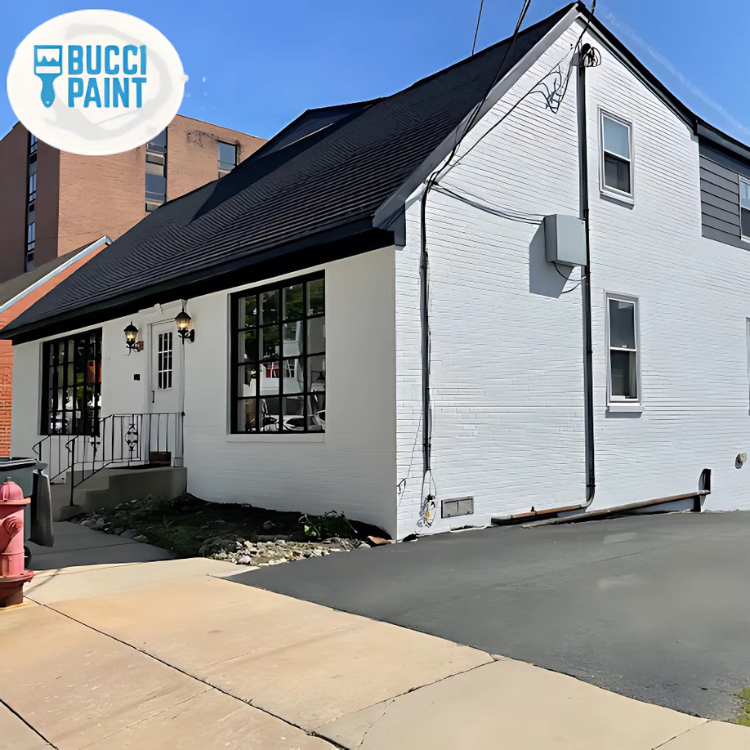
If the siding looks dull, the trim needs a sharper edge, or your deck is starting to show wear, the right exterior painting approach can restore the look of your home in Burlington County, NJ. This guide walks you through what to check first, what choices matter most, and how to plan a clean, long-lasting finish.
Last fall, you noticed the exterior didn’t look as crisp as it used to. By spring, the trim looked slightly faded and the siding had a patchy, “tired” appearance, especially on the sides that get the most sun. You might even be thinking about repainting before you host guests or list the property.
The tricky part is figuring out what is purely cosmetic and what is a sign of deeper prep issues. This guide helps you understand the practical steps behind exterior painting, from surface readiness to trim and deck finishing, so you can make a confident plan for Burlington County homes.
- Quick answer
- What to check first
- Main things customers should understand
- Why this matters in Burlington County, NJ
- Common mistakes to avoid
- Customer checklist
- Frequently asked questions
Quick Answer
Start by inspecting the areas that fail first: peeling or chalking paint, stained wood, and any rough trim edges. Clean and prep determine the final look, so don’t skip surface preparation. For best results, plan for proper priming where needed and choose a coating system suited to your siding material and exterior exposure. If you also have worn wood on a deck or railings, treat that separately with deck-focused care so the color and finish hold up season after season. A local exterior painting plan should match your home’s condition, not just the color you want.
What to Check First
Before you pick a color or schedule work, do a quick “condition walk” around the house. You are looking for signs that paint is failing to bond, not just paint fading. Pay attention to where water can sit, where sun hits hardest, and where trim details collect grime.
Trim and window edges
Check for bubbling, flaking, or gaps where trim meets siding. Those spots often need targeted prep so the new finish stays crisp.
Siding surface condition
Look for chalky residue, roughness, or uneven sheen. These are clues that cleaning and priming may be essential.
Deck boards and railings
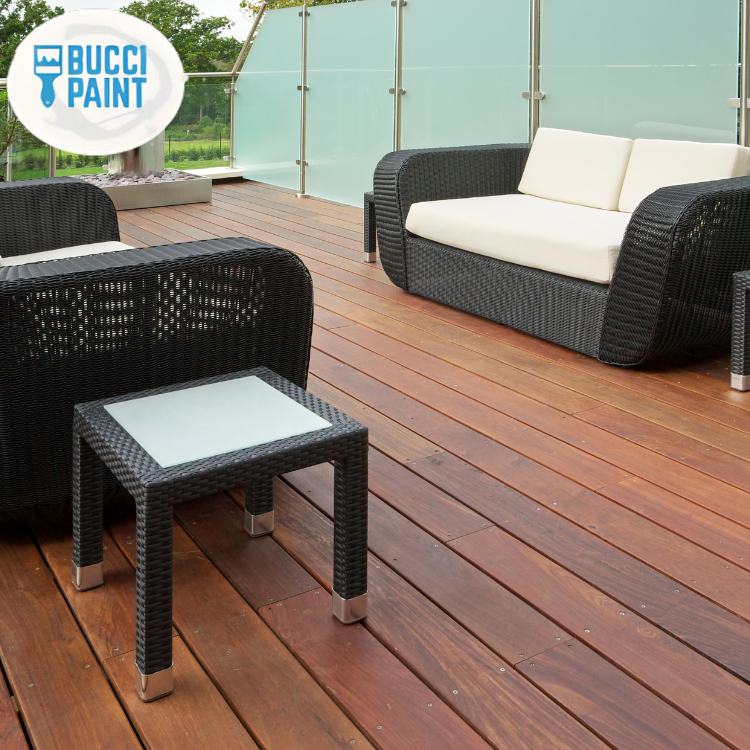
If your deck has worn patches, raised grain, or dull color, plan for deck staining, deck painting, or deck repainting based on current condition.
Main Things Customers Should Understand
Exterior painting is more than rolling paint onto walls. The finish depends on prep quality, matching the coating approach to your materials, and handling details like trim, doors, and transitions. On Burlington County properties, you also want a practical plan that respects how moisture, temperature swings, and seasonal exposure affect surfaces.
Professional observation: The cleanest-looking exterior jobs usually start with the least visible work: surface cleaning, scrape-and-smooth prep, and spot-priming where paint is no longer stable.
1) Prep is what protects the appearance
When paint is peeling or chalking, the surface has changed. Removing loose material and addressing problem areas helps the new coating bond correctly. For stained or weathered wood, prep may include cleaning and priming steps that help prevent bleed-through and uneven color.
2) Trim and door installation details matter
Fresh exterior painting makes trim look sharper, but only if the trim lines are already sound. If you have small gaps, damaged trim edges, or worn caulk lines, addressing those carpentry-related details before painting helps the final result look intentional.
If you are also planning carpentry improvements, you may want to review related work such as molding, trim, and flooring installation to align the sequence of prep and finishing.
3) Deck staining and deck painting are not “one size fits all”
Decks get direct wear from foot traffic, sun, and moisture. The right approach depends on what is already on the surface and how worn it is. Some homeowners choose deck staining for a more natural look, while others prefer deck painting for a more uniform finish. Either way, deck repainting should be planned around what the existing surface can handle.
Practical recommendation: If the deck color looks uneven or the surface feels rough, treat the deck as a separate project with its own prep and coating plan, rather than trying to “match” it during siding work.
4) Color and sheen affect how “fresh” the house looks
A bright white trim can highlight imperfections, while a more forgiving trim tone can reduce visible contrast if there are minor surface variations. Sheen choice also impacts how dirt and sun fading show over time. Picking the right combination is part of making the exterior look newly restored rather than freshly painted but already aging.
Why This Matters in Burlington County, NJ
In Burlington County, the exterior has to handle strong seasonal swings and frequent moisture exposure. That means surfaces can expand and contract, and water pathways around trim and siding seams can become more noticeable. If you have older homes in the area, you may also see more variation in material condition, which makes prep and spot-priming especially valuable for a clean, even finish.
| Situation you notice | What it usually suggests | Typical next step |
|---|---|---|
| Paint is chalky or rough to the touch | Surface may be weathered and bonding could be inconsistent | Thorough cleaning and prep, plus priming where needed before repainting |
| Small areas of peeling around trim edges | Moisture and failure points at detail transitions | Scrape and smooth the affected areas, then prime and repaint for continuity |
| Deck boards look worn or the color is patchy | Coating breakdown from sun and foot traffic | Deck-specific coating plan: deck staining, deck painting, or deck repainting based on current condition |
| Doors and trim look dull compared to the rest | Trim finish needs attention for a uniform “restored” look | Detail-focused prep, then exterior painting for trim, doors, and transitions |
Get a practical exterior painting plan for your Burlington County home
If you want your siding, trim, and deck to look consistently restored, start with a condition-based approach. Bucci Paint can help you map out what to prep, what to repaint, and how to handle exterior details so the final look holds up.
Contact Bucci PaintCommon Mistakes to Avoid
Homeowners often get the color right but miss the steps that make the finish last. These are the mistakes that show up quickly in Burlington County, especially when the exterior has been exposed to moisture and sun for years.
- Painting over loose or flaking material instead of scraping, smoothing, and prepping.
- Skipping cleaning and leaving grime or chalky residue behind, which can cause uneven sheen and poor bond.
- Treating the deck like it is part of the siding job instead of planning deck staining, deck painting, or deck repainting based on condition.
- Ignoring trim and door detail transitions, which can make the house look “patchy” even when the main color is correct.
- Choosing color without considering sheen, which can highlight surface variations more than you expect.
Customer Checklist
Use this checklist to prepare for an exterior painting conversation. It will help you describe what you see around your home and make it easier to plan the right prep and finish steps.
Before you call: Walk the property once in daylight and note areas that look different from the rest, especially around trim, doors, and any deck surfaces.
- List problem areas: peeling, chalking, stained wood, or worn deck spots.
- Note siding and trim materials (for example, wood trim vs. other surfaces) so the plan matches the materials.
- Decide what “fresh curb appeal” means for you: sharper trim lines, more even color, or renewed deck appearance.
- Confirm whether you also want related improvements such as exterior painting in New Jersey alongside detail work.
- Ask about a coating approach for the deck: deck staining, deck painting, or deck repainting based on current condition.
- Plan the sequence so carpentry or trim-related items are handled before the final finish work.
Representative scenario: what a typical Burlington County homeowner does
A homeowner in Burlington County notices the front trim looks faded and the deck railings look rough. They start by cleaning a small test area, then compare how the surface looks after drying. They also take a closer look at the edges where trim meets siding. Instead of repainting everything blindly, they plan to address the deck and trim as detail-focused areas so the new exterior painting result looks uniform and “restored,” not patchy.
Frequently Asked Questions
How do I know whether I need exterior painting or just touch-ups?
If you see peeling, chalking, or roughness that spreads across sections, it is usually more than cosmetic touch-ups. Touch-ups can blend small spots, but they rarely fix a larger bonding or weathering issue across multiple areas. A condition walk around the home helps you spot where paint failure begins, especially around trim and any water-prone edges. If the exterior looks uneven in sheen or color across a larger side of the house, a broader exterior painting plan is often the more practical approach.
Should my deck be stained or painted?
The best choice depends on what is already on the deck and how worn the surface is. Deck staining can emphasize the wood look, while deck painting can create a more uniform appearance. If the deck surface is rough or has patchy color, it often needs prep that matches the current condition, whether you choose deck staining, deck painting, or deck repainting. A deck-specific plan usually gives you more consistent results than trying to treat the deck as part of the siding refresh.
Do I need carpentry services before exterior painting?
Sometimes, yes. If trim edges are damaged, if there are gaps that need attention, or if door and trim transitions look uneven, handling those details before painting helps the finished lines look clean. For homeowners planning exterior refresh plus improvements, it can be helpful to coordinate painting with carpentry-related work. If you are considering trim and door installation or related updates, you can review molding, trim, and flooring installation to understand how detail work can fit into the exterior timeline.
What should I expect during prep?
Prep typically includes cleaning, scraping where paint is loose, smoothing rough areas, and using spot-priming when surfaces need it. The goal is to create a stable base so the new finish bonds evenly and looks consistent across the home. Prep also includes careful attention to detail transitions, like around trim and doors, because those areas tend to show problems first. A practical plan should explain what is being prepped and why, based on the surfaces you actually have.
Can I use the same color on siding and trim?
You can, but it usually changes the look of curb appeal. Many homeowners choose a contrast trim color to make window and door lines stand out. If you prefer a softer blended look, a closer trim tone can work, but sheen and surface condition can still affect how crisp the exterior appears. The most useful approach is to choose a trim color and sheen that complement how your siding currently looks after cleaning and prep, so the final appearance reads as intentional and freshly restored.
Ready to restore curb appeal with exterior painting?
Bucci Paint serves Burlington County, NJ and surrounding areas. If you want your home’s siding and trim to look evenly refreshed, start with a clear plan for prep, priming, and finish details. You can reach out to discuss your project and next steps.
(609) 462-5017
About Bucci Paint
Bucci Paint provides painting services for homes and properties across Burlington County, NJ and surrounding areas. From exterior painting to related exterior finish needs, the focus is on condition-based prep and detail-driven results that help your property look properly restored.
Explore more services like exterior painting or coordinate complementary work such as commercial painters in New Jersey when your project includes shared building areas. If your interior needs attention too, you can also review interior painting.