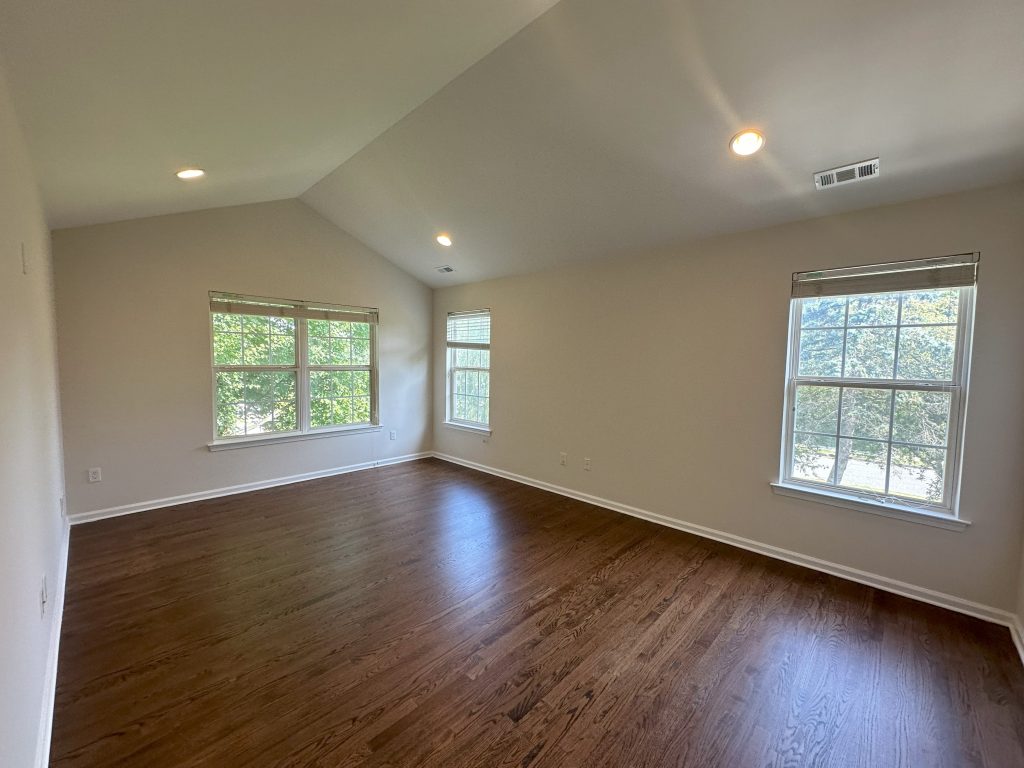
Choosing Colors for Your Interior Painting Project
On any given weekend in Evesham, you can walk into a local paint store and see the same scene: homeowners staring at walls of color swatches, holding up tiny rectangles to the light, and saying, “I thought gray would be easier than this.” Color paralysis is real—and it can delay an interior painting project for months.
Color choices matter more than most people realize. Studies from the Institute for Color Research suggest people form a subconscious judgment about an environment within 90 seconds, and up to 90% of that assessment is based on color alone. In South Jersey, where many homes blend open-concept layouts with lots of natural light, the wrong shade can make a space feel smaller, darker, or even dated.
In this guide, you’ll learn how to choose interior colors that work with your home’s light, layout, and furnishings, how to coordinate colors from room to room, and how to avoid the most common mistakes we see in homes across Evesham and surrounding towns. You’ll also see real examples from local projects Bucci Paint has completed—so you can make confident choices before your first brushstroke.
Key Insight: Thoughtful color selection isn’t about chasing trends—it’s about creating a cohesive, comfortable backdrop for how you actually live in your home.
How Light, Space, and Lifestyle Shape Your Color Choices
Color doesn’t live in a vacuum. The same paint can look completely different in a Marlton townhouse than it does in a larger Evesham colonial. The difference almost always comes down to light, surroundings, and how you use the room.
Light: Natural vs. Artificial
- North-facing rooms in South Jersey often feel cooler and darker. In these spaces, warmer neutrals (think soft beiges or greiges with a hint of yellow or red) can keep the room from feeling flat or cold.
- South-facing rooms get strong sunlight most of the day. Cool colors—soft blues, greens, and grays—can balance the warmth and prevent the space from feeling washed out.
- LED lighting with a cool color temperature can make warm paint look more beige or gray than you expected.
“We always tell homeowners: buy a sample, put it on the wall, and look at it morning, afternoon, and evening before you commit.” — Bucci Paint Color Specialist
Space and Ceiling Height
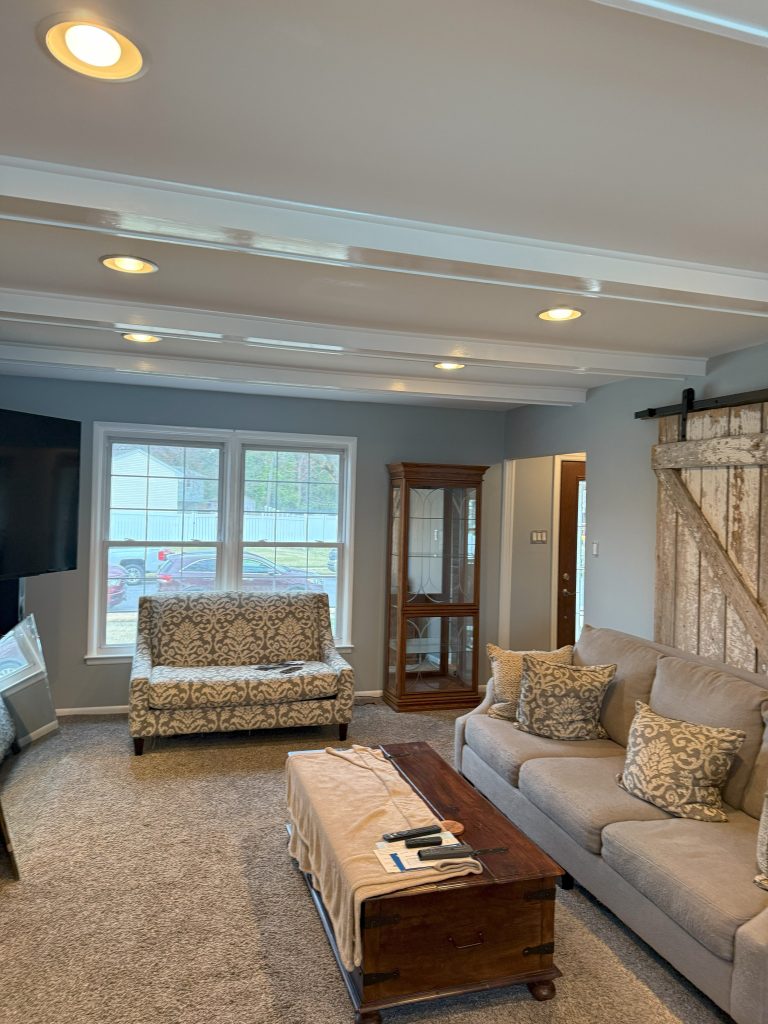
Open-concept homes common in Evesham developments need colors that transition gracefully from one area to the next. Too many high-contrast colors can make the space feel chopped up.
- Lighter tones tend to make rooms feel larger and more open.
- Darker, richer colors can be beautiful in smaller spaces like powder rooms or offices, where you want a cozy, enveloping feel.
Real Local Example
A family off Route 70 in Evesham had a dark, traditional dining room they never used. The previous owner chose a deep burgundy that felt heavy next to their bright, updated kitchen. We helped them select a warm off-white for the walls and a soft greige for the trim. The room instantly felt more connected to the rest of the house—and they started using it as a homework and game room almost daily.
CALLOUT: Always consider how a color will look next to the rooms around it, not just in isolation on a swatch.
If you’re planning a larger update that includes new drywall or layout changes, coordinating color with any Carpentry Services or drywall work you’re doing will help everything feel intentional from day one.
Building a Whole-Home Color Palette That Actually Flows
One of the biggest challenges we see in Evesham homes is “color patchwork”—every room painted in a completely different color family, often chosen years apart. The result can feel busy and disjointed, especially in homes with open sightlines.
Creating a whole-home palette doesn’t mean every room has to be the same color. It means you choose a family of colors that relate to each other, so the transitions feel natural.
Start with a Base Neutral
Most homes benefit from a “main character” neutral that appears in:
- Hallways and stairwells
- Open living/dining areas
- Possibly the kitchen or family room
This could be a warm greige, a soft white, or a very light taupe. From there, you build supporting colors.
Add Supporting Colors
Think in terms of:
- Accent colors for bedrooms, offices, or dining rooms
- Depth colors for feature walls, built-ins, or behind shelving
- Trim and doors in a consistent white or off-white for cohesion
For some Evesham homeowners, we’ve paired a soft greige throughout the main level with a muted blue in the dining room and a warm clay color in a home office. The house feels varied but still unified.
Sample Whole Palettes, Not Just Single Colors
Instead of sampling one color at a time, paint larger test areas with:
- Your base neutral
- One darker option
- One accent color
Then stand back and imagine those colors in different rooms.
Traditional vs. Modern Palette Planning
| Approach | Traditional Homes (Older Evesham Colonials) | Modern Homes (Newer Builds & Renovations) |
|---|---|---|
| Number of main wall colors | 4–6 across house | 2–3 across house |
| Trim & door color | Often cream or off-white | Crisp white or contrasting dark |
| Accent walls | Occasional, bold contrasts | Subtle, tone-on-tone variations |
| Overall feel | Formal, room-by-room | Open, cohesive, airy |
If you’re pairing new paint with upgrades like Trim and Door Installation, it’s especially important to plan the palette as a whole so your new finishes and paint support the same design story.
Color Psychology: How You Want Each Room to Feel
Beyond aesthetics, color can subtly influence how you feel in a space. In a busy household, that matters.
Living Rooms and Family Rooms
In many Evesham neighborhoods, the family room is the heart of the home. We often recommend:
- Warm neutrals for a welcoming, relaxed feel
- Soft blues or greens for a calm, grounded atmosphere
- Deeper accent colors on a fireplace wall or built-ins to anchor the room
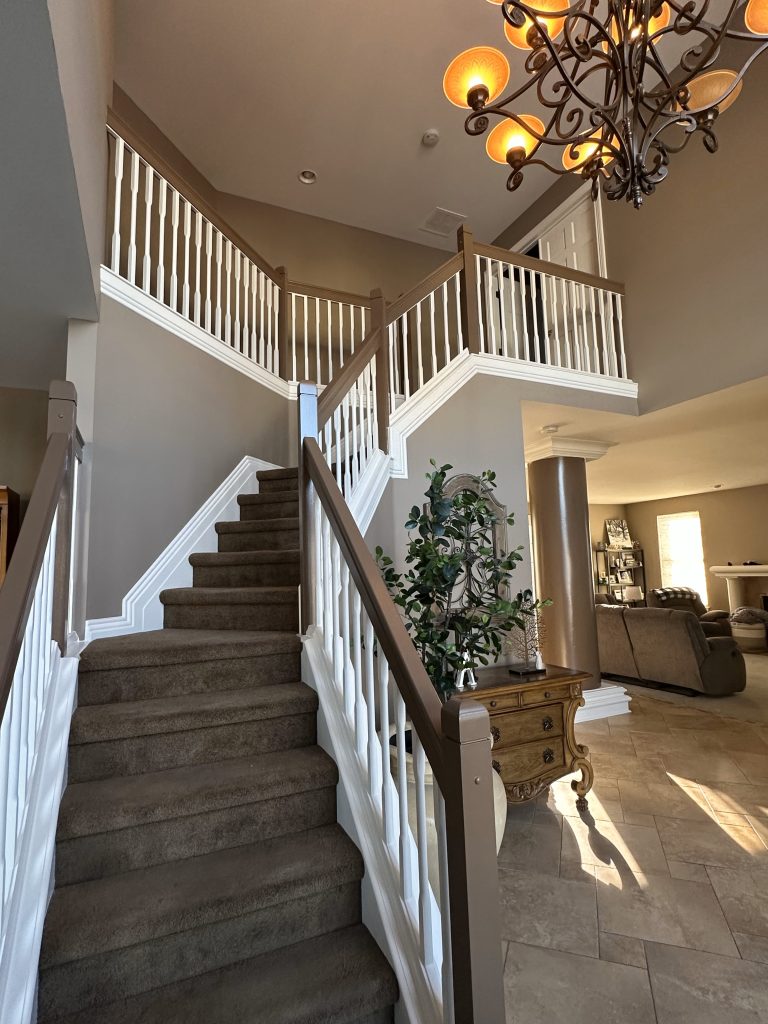
One Marlton client had a two-story family room that felt cavernous. By painting the walls a slightly deeper warm greige and the built-ins a rich charcoal, we made the room feel cozier without losing its airy height.
Bedrooms
- Primary suites: Soft, muted tones like blue-gray, sage, or warm beige promote rest.
- Kids’ rooms: Don’t be afraid of color, but avoid overly saturated neons that can feel chaotic over time. Mid-tone blues, greens, and even dusty pinks can grow with them.
“Think long-term for bedrooms. Trendy bold colors might be fun for a year, but softer shades usually stand the test of time.” — Bucci Paint Project Manager
Kitchens and Dining Rooms
In South Jersey, many kitchens open directly into dining or living areas. We often see success with:
- Light, clean neutrals in kitchens to keep things bright and fresh
- Slightly richer tones in dining rooms to create a sense of intimacy
If you have or are planning Custom Cabinetry or new built-ins, cabinet color and wall color should be chosen together. A creamy white cabinet might look great with a warm wall color but clash with a cooler gray.
Offices and Flex Spaces
For home offices, especially with more people working remotely in Evesham:
- Blues and greens can support focus and reduce eye strain.
- Avoid overly stark whites that can feel clinical on long workdays.
CALLOUT: Ask yourself for each room: “Do I want this space to energize me or calm me?” Then choose colors accordingly.
Working with What You Already Have: Floors, Furniture, and Finishes
Most homeowners don’t start with a blank slate. You likely have existing flooring, countertops, and furniture that you’re not changing. The best interior painting projects respect those elements rather than fight them.
Understand Your Undertones
Every fixed element in your home—wood floors, tile, stone—has an undertone:
- Warm undertones: yellow, orange, red (oak floors, cherry cabinets, some beige tiles)
- Cool undertones: blue, green, purple (gray tiles, some marbles, cooler woods)
Pairing cool grays with very warm floors, for example, can make the floors look orange. We see this mismatch often in older Evesham homes where owners tried to “modernize” with gray paint without considering their existing oak.
Coordinate, Don’t Compete
If you have bold granite countertops or a patterned tile fireplace, choose more subdued wall colors that let those features shine.
Real Local Example
A homeowner near Kings Grant had rich red oak floors, cream trim, and dark wood furniture. They wanted the trendy “cool gray” look they’d seen online. When we held up the gray swatches against the floor, everything looked off. Instead, we chose a greige with a warm undertone that nodded to the floors without feeling dated. The result felt current but perfectly suited to the home.
If you’re planning more extensive updates like General Remodeling or updating your molding, trim, and flooring, you’ll have more flexibility—but the same rules about undertones still apply.
Sampling, Sheens, and Other Details That Make or Break the Result
Color choice is only one piece of the puzzle. How you test it and the finish you select can dramatically change how it looks on your walls.
Sample the Right Way
Small paint chips aren’t enough. For South Jersey homes with shifting light throughout the day:
- Paint at least 2′ x 2′ swatches on multiple walls in the room.
- Look at them in morning, midday, and evening light.
- View them next to trim, flooring, and major furniture pieces.
Peel-and-stick samples can be helpful, but real paint on your actual walls is still the gold standard.
Choosing the Right Sheen
Different sheens can change both appearance and durability:
| Room/Surface | Recommended Sheen | Why It Works in Evesham Homes |
|---|---|---|
| Main living areas | Eggshell or matte | Soft look, hides minor wall imperfections |
| Kitchens/baths | Satin or semi-gloss | Easier to wipe down in humid environments |
| Trim and doors | Semi-gloss | Durable, highlights architectural details |
| Ceilings | Flat | Minimizes light reflections and imperfections |
In older homes around Evesham with less-than-perfect walls, a flatter finish can help disguise uneven surfaces. If you’re having new drywall installed or repaired, pairing that work with professional Residential Interior Painting will give you the smoothest, most polished result.
Don’t Forget the Ceilings and Trim
Many people default to “ceiling white,” but softening the ceiling color slightly (for example, using your wall color lightened by 50%) can create a more custom look. Consistent trim color throughout the house is another subtle way to tie everything together.
CALLOUT: The same color in a different sheen can look like a completely different shade. Always confirm both color and sheen before final approval.
Tying Interior Colors to Your Home’s Exterior and Outdoor Spaces
Even if you’re focused on the inside of your home, your color choices shouldn’t ignore what’s happening outside—especially in a place like Evesham where outdoor living is a big part of the year.
Exterior and Interior Harmony
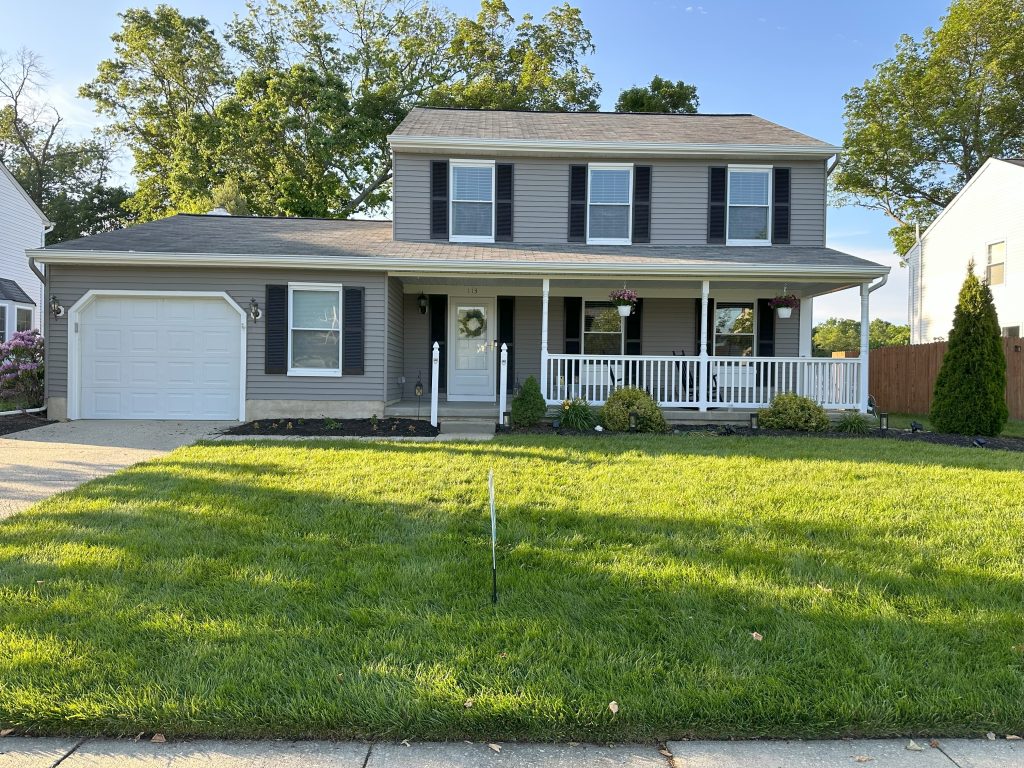
Your exterior siding, brick, and roof colors can inform your interior palette. A warm-toned exterior often feels most cohesive with a warmer interior palette, while a cooler exterior (like blue-gray siding) works beautifully with cooler interior tones.
If you’re planning both Exterior Painting and interior work over a year or two, it’s smart to think of them as parts of one bigger design plan.
Decks, Patios, and Sunrooms
Many Evesham homes feature decks and three-season rooms that blur the line between inside and out. The colors you choose for:
- Deck Painting or staining
- Patio furniture and outdoor fabrics
- Sunroom walls and trim
should feel like natural extensions of your interior palette.
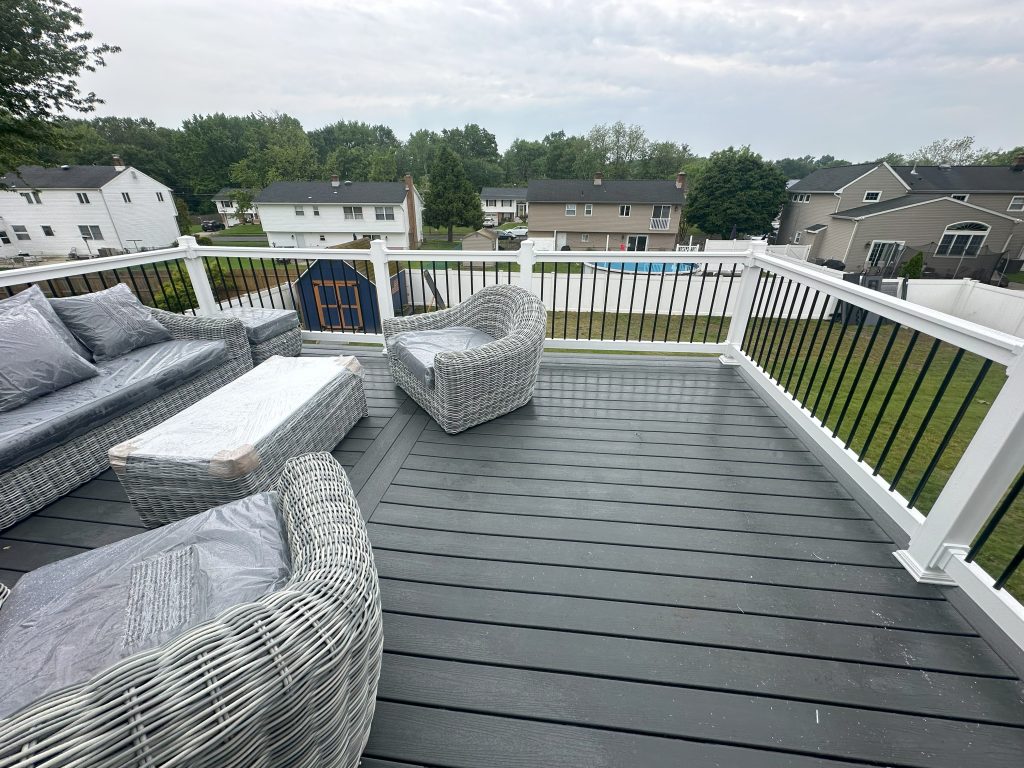
For example, a family near the Promenade at Sagemore had a sunroom that opened onto a stained deck. We matched the warm undertones of their Deck Staining with a complementary warm white on the walls and a muted green accent. The transition from kitchen to sunroom to deck felt seamless.
Future Projects in Mind
If you’re thinking about masonry, stucco, or hardscape updates down the road, coordinating with any masonry, concrete, and stucco coatings work you might do later will save you from having to repaint prematurely.
What This Means for Homeowners in Evesham, NJ
Homes in Evesham and the surrounding South Jersey area share a few common traits: plenty of natural light, open-concept layouts, and a mix of older colonials and newer developments. That combination makes color selection especially important—and sometimes especially tricky.
Local weather plays a role too. Bright summer sun, overcast winter skies, and the warm tones of fall foliage all influence how colors appear throughout the year. A gray that feels perfect in January might feel too cool in July; a beige that looks rich in the showroom may read yellow next to your specific trim and flooring.
The local real estate market is another factor. Thoughtful, cohesive interior colors can increase perceived home value and appeal to a broader pool of buyers. Many Evesham sellers choose neutral yet modern palettes before listing to help their home stand out against similar properties.
The good news: you don’t have to guess. With a bit of planning, real-world sampling, and guidance from professionals who work in Evesham homes every day, you can create an interior palette that feels tailored to your space, your light, and your lifestyle. Whether you’re refreshing a single room or planning a larger transformation that includes Interior painting, trim upgrades, or remodeling, smart color choices are one of the highest-impact decisions you’ll make.
Frequently Asked Questions
Q: How do I choose a neutral that won’t look too gray or too beige in my Evesham home?
A: Start by looking at your fixed finishes—floors, countertops, and trim. If they lean warm (oak floors, cream trim, tan tile), you’ll want a neutral with warm undertones. If they lean cool (gray tile, bright white trim), a cooler neutral can work. Always test at least two options on your walls and look at them at different times of day. In many Evesham homes, a balanced greige works well because it bridges warm and cool elements. Working with a professional Interior painting team that understands local lighting and housing styles can help you narrow choices quickly.
Q: Should I paint my open-concept main floor all one color?
A: Not necessarily, but using too many different colors can make an open floor plan feel disjointed. A good strategy is to pick one main color for shared spaces—entry, living room, dining area, and hallways—and then introduce subtle variations or accent colors in smaller zones like a breakfast nook or reading corner. Keep trim and doors consistent throughout. In many Evesham homes, we’ve used a single main color on the first floor with just one or two carefully chosen accent walls to add interest without visual clutter.
Q: How do I coordinate my interior colors with planned exterior updates or deck work?
A: Think of your home as one cohesive environment. If you’re planning Exterior Painting or Deck Repainting in the next year or two, bring those plans into your interior color conversation now. For example, if you’re moving from tan siding to a cooler gray, choosing slightly cooler interior neutrals can create a smoother inside-outside transition. The same goes for Deck Painting or staining—you’ll want deck colors that harmonize with nearby interior rooms, especially if you have large sliders or a sunroom.
Q: What if my walls are in rough shape—will color make that more obvious?
A: Color can highlight or hide imperfections depending on what you choose. Very dark or very glossy finishes tend to show every bump and patch, especially in homes with older drywall or plaster. Softer, mid-tone colors in matte or eggshell finishes usually do the best job of minimizing flaws. If your walls have cracks, nail pops, or water damage, it’s wise to address that first with professional drywall repair. Pairing that work with skilled Carpentry Services and painting will give you a smoother, more durable result that looks good in any color.
Q: Is it worth repainting before selling my Evesham home, and what colors should I choose?
A: In most cases, yes. Fresh paint is one of the highest-ROI updates you can make before listing. Neutral, modern colors help buyers focus on the space instead of the paint, and they photograph better for online listings. We typically recommend soft whites, light greiges, and subtle warm grays for main living areas, with slightly deeper but still neutral tones in bedrooms. If you’re also updating trim, doors, or considering minor General Remodeling, coordinating those changes with new paint can make your home feel move-in ready, which is a big selling point in the competitive South Jersey market.
Q: How do I choose colors for a commercial space in or around Evesham?
A: For offices, retail spaces, or other commercial properties, color should reflect your brand while also supporting productivity and comfort. Neutrals with strategic accent colors often work best. For example, a medical office might lean into calming blues and greens, while a retail shop might use warmer neutrals with branded accent walls. It’s also important to consider durability and maintenance—higher-traffic areas may need more scrub-resistant finishes. A professional team of Commercial painters can help you balance brand identity, function, and long-term maintenance in your color plan.
Q: Can I mix warm and cool colors in the same house, or will that clash?
A: You can absolutely mix warm and cool tones, as long as there’s a clear strategy. One common approach in Evesham homes is to use a balanced neutral (a greige or soft white) as the thread that connects everything, then layer in cooler blues or greens in some rooms and warmer taupes or clays in others. Keeping trim and doors consistent throughout the home helps tie it all together. The key is to test transitions in doorways and sightlines—stand in your hallway and look at how colors interact from room to room before making final decisions.
Ready to Get Started?
Color decisions can feel overwhelming, but they don’t have to stall your project. If you’re in Evesham or the surrounding South Jersey area, this is an ideal time to plan your interior updates—before humidity spikes in summer or before the holiday rush in late fall. Scheduling early also gives you first choice of dates, which fill quickly for reputable painters.
By working with a local team that understands our region’s light, architecture, and lifestyle, you can avoid expensive repainting down the road and get colors you’ll enjoy for years. Whether you’re refreshing a single room or planning a larger transformation that might include Residential Interior Painting, trim upgrades, or even some light remodeling, Bucci Paint can help you choose a palette that feels right for your home and your family.
Take the next step: walk through your home, note how each room feels at different times of day, and jot down a few words describing how you’d like it to feel instead. Then reach out to schedule a consultation—we’ll bring the expertise, samples, and practical guidance to turn those notes into a cohesive color plan.
About Bucci Paint
Bucci Paint is a locally owned painting and remodeling company serving Evesham, NJ and surrounding South Jersey communities. With years of experience in Interior painting, exterior finishes, carpentry, and light remodeling, our team specializes in creating cohesive, durable, and beautiful spaces tailored to each home. We combine careful preparation with high-quality materials and a consultative approach to color, helping homeowners feel confident from the first swatch to the final walkthrough.