
We’re Here To help
Expert Painting
Serving Burlington County New Jersey, Bucks County Pennsylvania & Surrounding Areas
Contact Us Today!
If you’re looking for a reliable and experienced painting company, look no further than Bucci Paint. We provide top-quality interior and exterior painting services for residential and commercial properties. No matter what your painting needs may be, we can help! Contact us today for a free estimate.

Honesty

Integrity

Quality

Respect
Trustindex verifies that the original source of the review is Google. I’ve dealt with quite a few contractors over the years however I can’t say enough good things about Bucci Paint LLC. The owner Jason is very professional, friendly and informative making the entire process so easy. His staff are all courteous and can’t do enough to help. If you need a painter I would highly recommend them! Great guys to work with! Thanks Jason and Staff for making our house look great!Trustindex verifies that the original source of the review is Google. Bucci paint does flawless work. I will always use them for all of my projects!Trustindex verifies that the original source of the review is Google. Bucci paint was on time, and very professional. The owner, Jason is a great guy too! If you need exterior or interior painted, def the company to use!Trustindex verifies that the original source of the review is Google. Jason and the guys did a great Job on our home. Great price and great work. Very professional service. Would recommend Bucci paint to everyone.Trustindex verifies that the original source of the review is Google. Jason and his crew did a fantastic job on our 21,000 sqft warehouse and office. They arrived when they said they would and finished ahead of schedule. Jason updated us throughout the entire project. Very professional and clean work. Would recommend to anyone looking for paint work big or small.Trustindex verifies that the original source of the review is Google. Jason and his crew and top notch! They are quick and professional and their work is amazing!Trustindex verifies that the original source of the review is Google. Bucci Painting is very professional and his attention to detail from start to finish is top notch. Him and his crew are very pleasing to work with and turns your dreams in reality.Trustindex verifies that the original source of the review is Google. Very professional, detail oriented and communicative. Jason did an amazing job!!Trustindex verifies that the original source of the review is Google. Bucci paint have done several interior and exterior projects for us. Was easy to reach quoting was straightforward and work was done expertly and neatly. Easy to work with and communicate with. Will use againTrustindex verifies that the original source of the review is Google. Beautiful job, very professional, great people.Google rating score: 5.0 of 5, based on 98 reviews

About Bucci Paint
Dedicated to Quality & Customer Satisfaction
Bucci Paint provides high quality painting services for both residential and commercial properties. Our focus is on understanding what is important to each client and delivering results that meet their needs and exceed their expectations.
We have a wide variety of colors and finishes for you to choose from so that your project can be just as you envisioned. We understand that each client’s needs are unique, and we are committed to meeting those with our top-notch services.
Trustindex verifies that the original source of the review is Google. I’ve dealt with quite a few contractors over the years however I can’t say enough good things about Bucci Paint LLC. The owner Jason is very professional, friendly and informative making the entire process so easy. His staff are all courteous and can’t do enough to help. If you need a painter I would highly recommend them! Great guys to work with! Thanks Jason and Staff for making our house look great!Trustindex verifies that the original source of the review is Google. Bucci paint does flawless work. I will always use them for all of my projects!Trustindex verifies that the original source of the review is Google. Bucci paint was on time, and very professional. The owner, Jason is a great guy too! If you need exterior or interior painted, def the company to use!Trustindex verifies that the original source of the review is Google. Jason and the guys did a great Job on our home. Great price and great work. Very professional service. Would recommend Bucci paint to everyone.Trustindex verifies that the original source of the review is Google. Jason and his crew did a fantastic job on our 21,000 sqft warehouse and office. They arrived when they said they would and finished ahead of schedule. Jason updated us throughout the entire project. Very professional and clean work. Would recommend to anyone looking for paint work big or small.Trustindex verifies that the original source of the review is Google. Jason and his crew and top notch! They are quick and professional and their work is amazing!Trustindex verifies that the original source of the review is Google. Bucci Painting is very professional and his attention to detail from start to finish is top notch. Him and his crew are very pleasing to work with and turns your dreams in reality.Trustindex verifies that the original source of the review is Google. Very professional, detail oriented and communicative. Jason did an amazing job!!Trustindex verifies that the original source of the review is Google. Bucci paint have done several interior and exterior projects for us. Was easy to reach quoting was straightforward and work was done expertly and neatly. Easy to work with and communicate with. Will use againTrustindex verifies that the original source of the review is Google. Beautiful job, very professional, great people.Google rating score: 5.0 of 5, based on 98 reviews
Contact Us Today!
A member of our team will be in touch shortly.
Our Services
Contact Us Today!
Contact us today for a free consultation and let our experts bring your vision to life.
Our Painting Services
Expert Interior & Exterior Painting
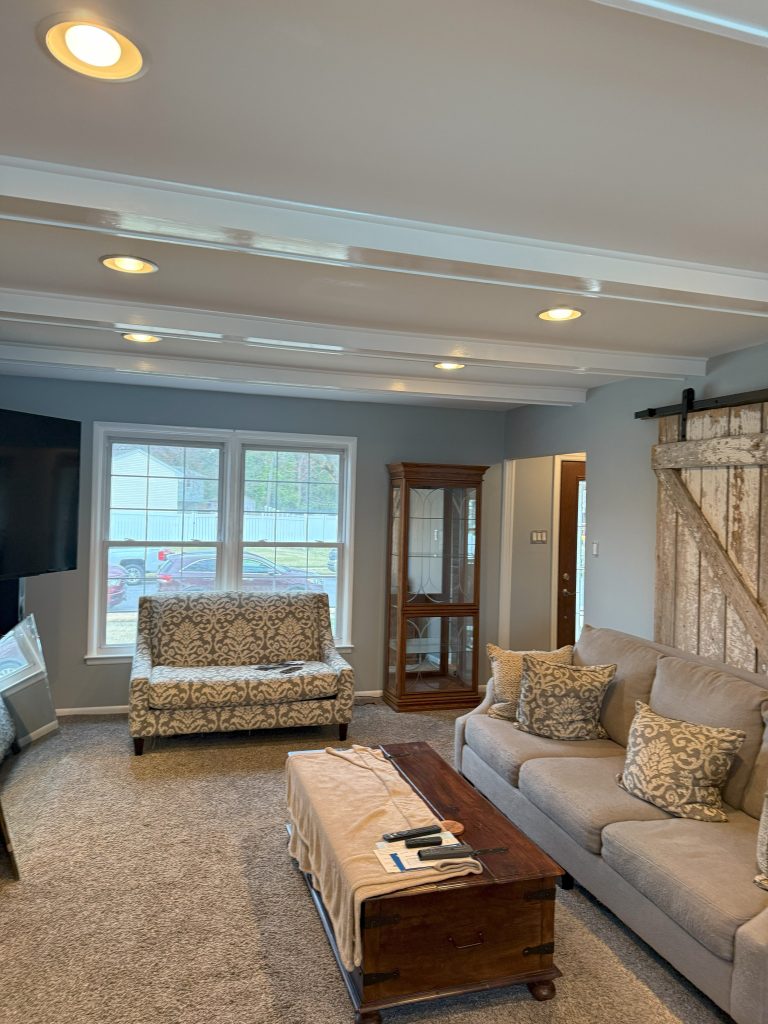
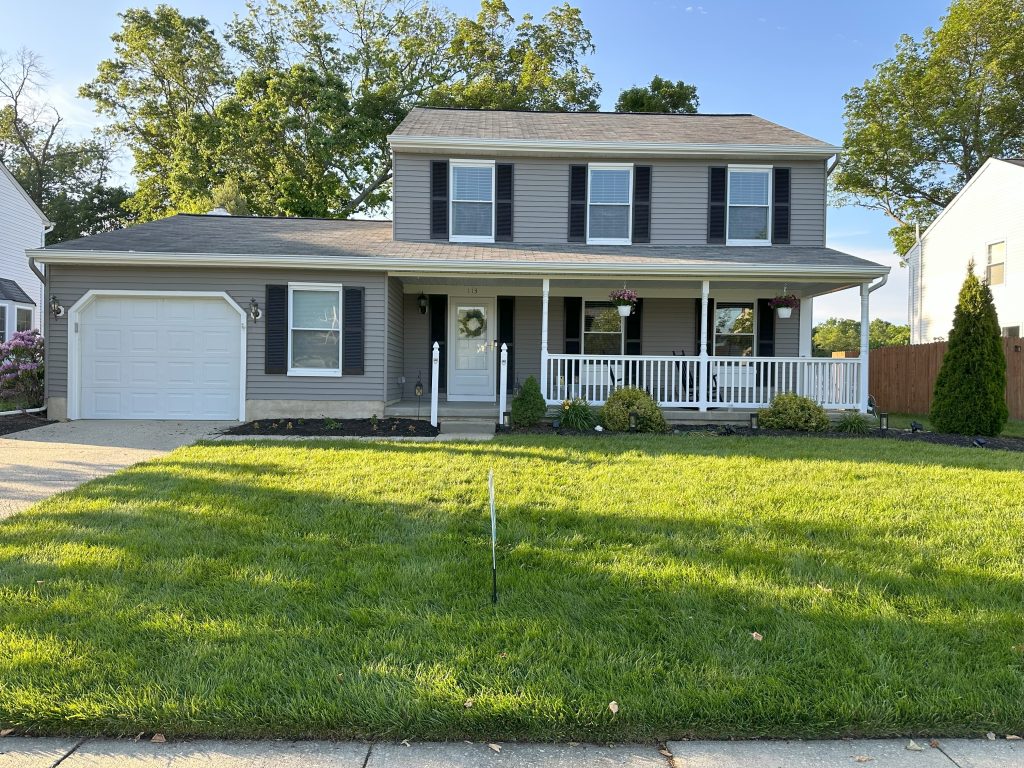
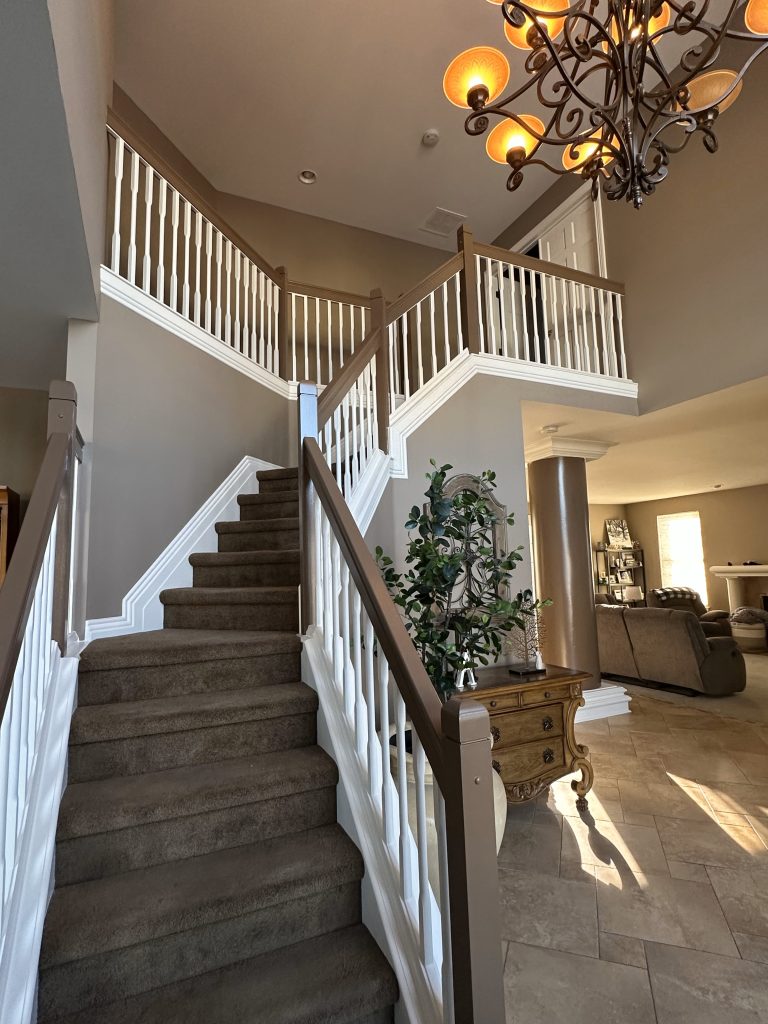
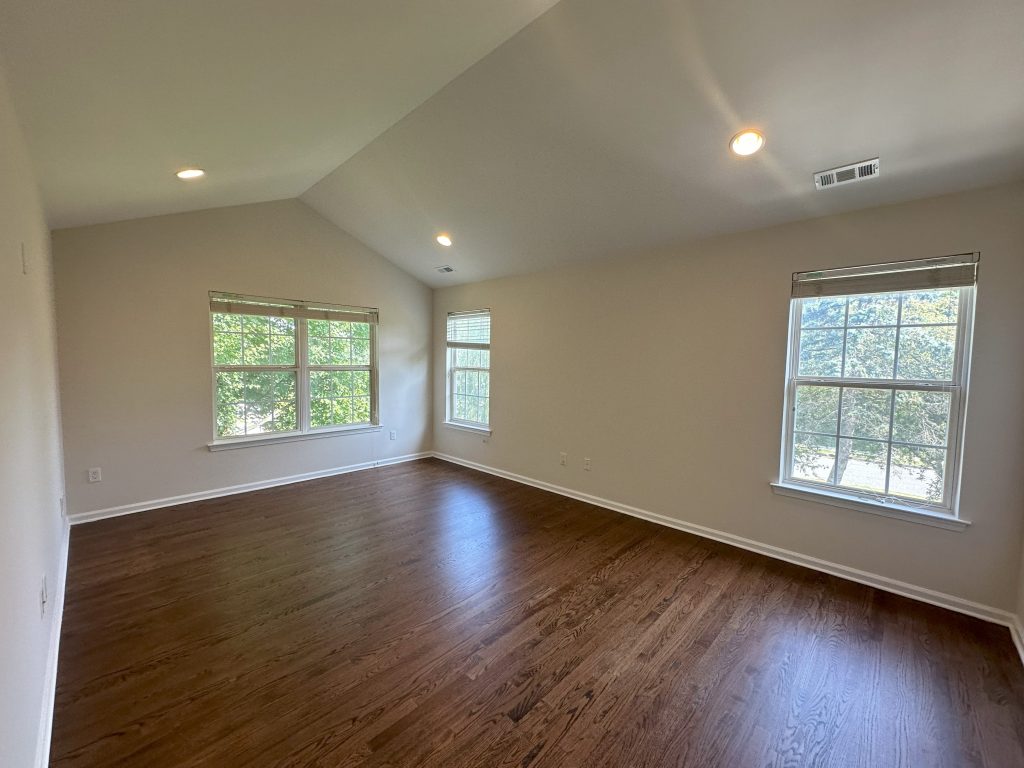
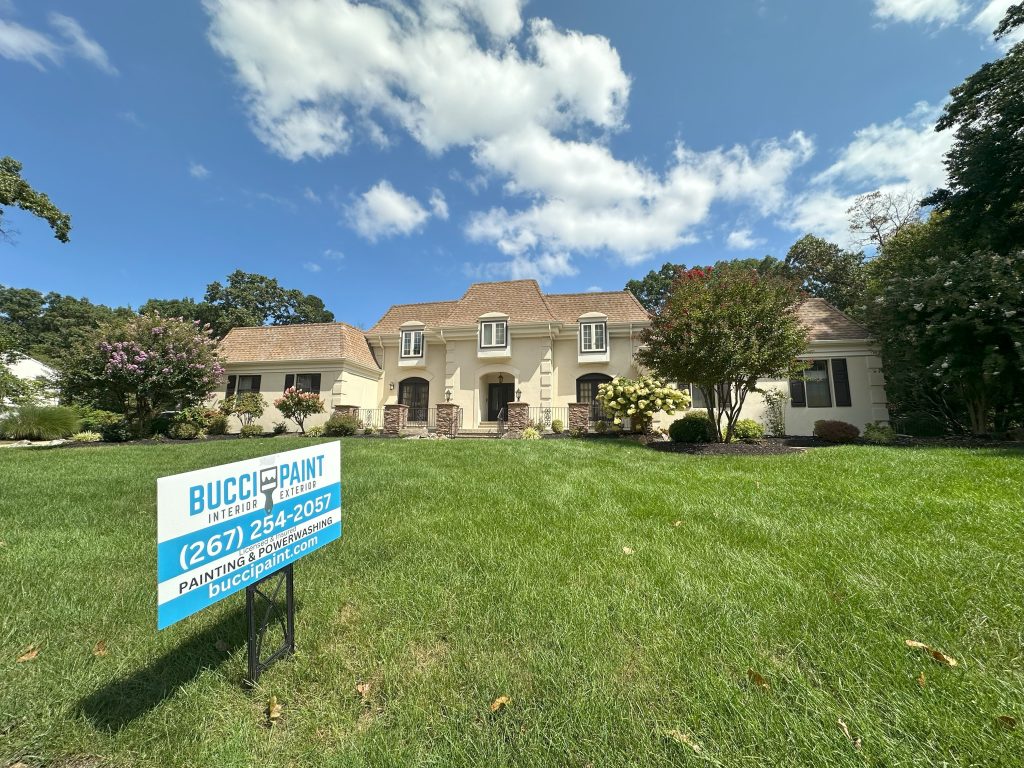
A fresh coat of paint can transform any space. Bucci Paint provides professional interior and exterior painting services, ensuring a flawless, long-lasting finish. Whether refreshing your walls, updating your home’s exterior, or refinishing cabinetry, our expert painters deliver results that enhance your property’s aesthetic and value.
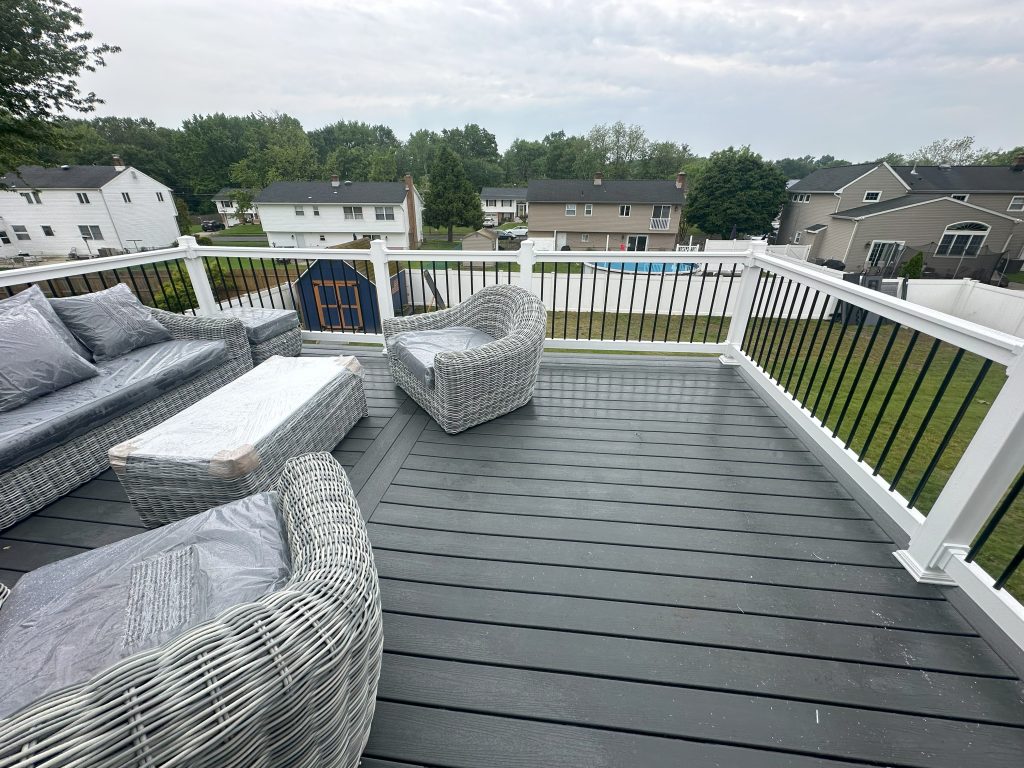
We specialize in painting ceilings, walls, trim, doors, and cabinets using high-quality paints that offer durability and a smooth, professional finish. For exterior projects, we provide expert solutions for siding, stucco, masonry, patios, decks, and fences. Our exterior coatings are designed to withstand harsh weather conditions, ensuring vibrant and long-lasting results.
Flawless Drywall Repair & Installation
Damaged drywall can diminish the beauty of your interior. Our expert drywall repair and installation services restore your walls and ceilings to perfection. We repair cracks, holes, and imperfections using industry-best materials and techniques, ensuring a flawless finish.
Your Local Painting & Experts
Why Choose Bucci Paint?
- Reliability: We deliver on our promises, completing projects on time and exceeding expectations.
- Premium Quality Craftsmanship: Every job is inspected to ensure a perfect finish.
- Cleanliness: We maintain a tidy workspace, protecting your home and belongings throughout the project.
- Customer Satisfaction: We follow up after every project to ensure you’re 100% satisfied with our work.
Serving Burlington County, New Jersey & Bucks County, Pennsylvania
Bucci Paint is dedicated to providing top-tier painting, drywall, deck installation,services throughout Burlington County, NJ, Bucks County, PA, and the surrounding areas. Whether you’re refreshing your home’s interior, updating its exterior, or enhancing your outdoor space, we have the expertise to bring your vision to life. Contact us today for a free estimate and experience the difference of professional craftsmanship!