
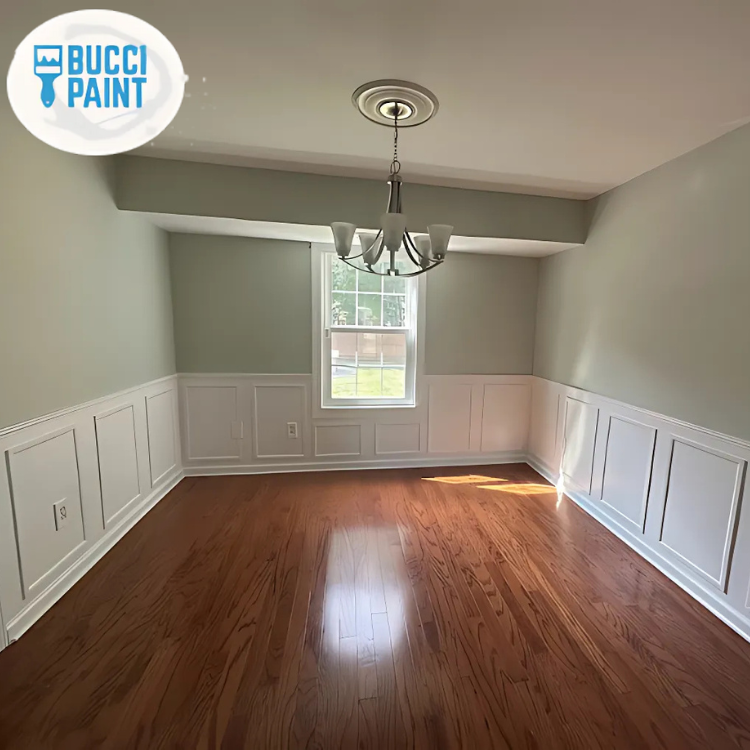
Studies show that the color of your walls can change how bright a room appears by as much as 30%, even when the windows and light fixtures stay exactly the same. That means a dim, cave-like living room in Evesham, NJ might not need more lamps or a bigger window at all; it may simply need the right paint strategy. Strategic interior painting is one of the most powerful and underrated tools for pulling every last drop of light into a space, making it feel larger, cleaner, and more welcoming.
Maximizing light is not just about choosing a “light color” and calling it a day. It’s about understanding how paint sheen, undertones, placement, and contrast interact with both natural and artificial light. When Bucci Paint works in Evesham homes, we look at where the sun comes in, how shadows fall, and what finishes already exist in the room. Then we use paint to bend that light, bounce it, or soften it so the entire space feels more open and balanced.
For homeowners, this means you can transform a dark hallway, brighten a north-facing bedroom, or make a small kitchen feel airy without tearing down walls or installing new windows. Strategic interior painting is cost-effective, fast, and incredibly impactful. Once you see how much brighter your home can feel with the right colors in the right places, it becomes hard to imagine living with those old, dull walls ever again.
How Light Behaves Indoors
Before choosing colors, it helps to understand how light actually behaves inside your home. Natural light changes throughout the day, shifting in color temperature and intensity. Morning light tends to be cooler and softer, mid-day light is the brightest and most neutral, and evening light becomes warmer and more golden. If your Evesham home has rooms that feel gloomy at certain times of day, the issue may not be the amount of light, but how the wall color reacts to those shifts.
Artificial light also plays a major role. Warm bulbs can make whites look creamier and can intensify beige, while cool bulbs can make grays feel icy and blues more vivid. Different fixtures cast light differently: recessed lighting tends to direct light downward, while sconces and lamps spread it out in softer, more diffuse ways. A strategic paint plan considers not only the daylight but also how the room looks at night, when most people are actually using their living spaces.
Surfaces inside the room either absorb or reflect light. Dark, matte walls soak up light, making the room feel more enclosed, while lighter and slightly glossier surfaces bounce light around. Trim, ceilings, floors, and even furniture contribute to the overall brightness. When Bucci Paint evaluates a room in Evesham, NJ, we look at all of these factors together. Only then do we recommend colors and finishes that will truly maximize the available light.
Choosing Colors To Amplify Light
Most homeowners assume “just paint it white” is the answer to brightening a room, but not all whites are equal, and not every room should be painted pure white. The key is to think in terms of reflectivity and undertones. Light colors with higher light reflectance values (LRV) bounce more light around the room. Whites, off-whites, soft grays, pale blues, and gentle beiges are all strong candidates when used thoughtfully.
Undertones matter enormously. A crisp, cool white with blue or gray undertones can make a south-facing room in Evesham feel fresh and airy, but that same white in a north-facing room might look cold and shadowy. Warm whites and creams with subtle yellow or peach undertones can counteract the cool, dim light in north- or east-facing spaces, making them feel cozy and bright instead of dreary. Bucci Paint often tests swatches at different times of day to see how colors shift before making a final recommendation.
Soft tints of color can actually enhance brightness more than stark white in certain rooms. Pale blues, greens, or blush tones can reflect light while also giving the eye something pleasant to rest on. In kitchens and bathrooms, light grays and greiges (gray-beige blends) can keep things feeling clean and modern without the harshness that some bright whites bring. The goal is to choose hues that work with your light, not against it, and that feel harmonious with your floors, cabinets, and furnishings.
Using Sheen And Finish Strategically
Color is only half the story; sheen is the other half. The sheen of a paint describes how shiny or flat it is, and that shine affects how much light it reflects. High-gloss finishes are very reflective, but they also highlight every imperfection in your walls. On the other end of the spectrum, flat and matte finishes minimize flaws but absorb more light, making them less effective at brightening a room.
For most walls where you want more brightness, an eggshell or satin finish hits the sweet spot. These sheens have a gentle luster that reflects light softly without looking shiny or plastic. In living rooms, bedrooms, and hallways in Evesham homes, Bucci Paint often recommends eggshell because it balances light reflection with a forgiving, elegant look. Satin can be a great option for high-traffic areas like kitchens and family rooms where washability is important.
Ceilings are another opportunity to amplify light. While flat ceiling paint is standard, using a slightly higher sheen or a very light, bright color can help bounce light down into the room. Trim and doors painted in semi-gloss or high-gloss finishes create crisp edges that catch the light and make the entire room feel more defined and luminous. By deliberately mixing sheens on different surfaces, you can control how light moves through a space rather than leaving it to chance.
Ceilings, Trim, And Accent Walls
Many people focus only on wall color, but ceilings and trim have enormous influence on how bright and spacious a room feels. A ceiling that is a slightly lighter shade than the walls (or a clean, soft white) can make the room feel taller and more open. In lower-ceilinged Evesham homes, painting the ceiling a lighter, cooler tone can create the illusion of height and pull more light upward.
Trim and doors act as visual frames for your walls and windows. Painting trim in a bright white or a color a few shades lighter than the walls increases contrast in a way that makes the walls themselves seem cleaner and more luminous. When Bucci Paint refreshes outdated, yellowed trim with a modern white semi-gloss, homeowners are often surprised by how much brighter the entire room feels, even if the wall color stays the same.
Accent walls can either help or hurt your efforts to maximize light. A very dark accent wall in a small, dim room can swallow light and make the space feel smaller. However, a thoughtfully chosen slightly deeper tone behind a window or opposite a primary light source can create depth and make the lighter walls around it appear even brighter by comparison. The trick is to use accent walls as a tool to guide the eye and shape the perception of brightness, not just as a place to put a trendy color.
Room-By-Room Light Strategies
Each room in your Evesham, NJ home has its own light challenges and opportunities. Living rooms, where families spend a lot of time, benefit from colors that feel inviting both during the day and at night. Soft neutrals, warm whites, and gentle greiges usually work well here. Using a slightly lighter color on walls that receive less natural light, and a touch deeper tone on the brightest wall, can balance the room so no area feels too dark or washed out.
Kitchens and bathrooms often suffer from a mix of shadows and harsh task lighting. Light, clean colors that complement tile and countertops can make these spaces feel fresher and more open. In smaller kitchens, painting upper cabinets and walls in lighter tones while keeping lower cabinets a bit darker can draw the eye upward and make the room feel taller and brighter. Bucci Paint frequently coordinates wall and cabinet colors to get the most from both natural and artificial light in these functional spaces.
Bedrooms and home offices need a balance between brightness and calm. Overly stark whites can feel clinical, especially in rooms meant for rest or focus. Pale blues, greens, or soft grays with warm undertones can reflect light gently while still creating a soothing atmosphere. In home offices, where screen glare is an issue, a soft, low-contrast palette helps reduce eye strain while still keeping the room bright enough for productivity.
Working With Professionals In Evesham
Light is complex, and every home in Evesham has its own quirks: mature trees that cast shadows, neighboring houses that block certain angles of sun, or older fixtures that throw off uneven light. This is where working with a professional painting company like Bucci Paint becomes especially valuable. Instead of guessing from paint chips under store lighting, you get experienced eyes that understand how colors actually behave in real homes.
A professional team will look at your rooms at different times of day, consider how you use each space, and factor in your existing floors, cabinets, and furnishings. They can suggest not only wall colors but also ceiling shades, trim finishes, and accent placements that all work together to maximize brightness. This holistic approach often produces results that feel more harmonious and significantly brighter than a simple “paint everything white” strategy.
Many Evesham homeowners choose to combine interior painting with other updates, such as refinishing woodwork or improving exterior elements that affect light, like porches and outdoor structures. Services like Deck Staining can even change how much light reflects into your interior spaces from outside. When the interior and exterior are considered together, the overall effect on brightness and atmosphere can be striking.
Frequently Asked Questions
How do I know which white is right for my home? The “right” white depends on your light exposure, existing finishes, and personal preference. In north-facing rooms in Evesham, warmer whites with subtle cream or beige undertones often work best because they counteract the cool, gray light. South-facing rooms can usually handle crisper, cooler whites without feeling cold. The best approach is to test a few options on your walls and look at them in morning, midday, and evening light before deciding. A professional from Bucci Paint can help narrow down choices based on experience with similar homes.
Can dark colors ever help a room feel brighter? Surprisingly, yes, when used strategically. While dark colors absorb more light, they can create contrast that makes adjacent lighter areas seem brighter by comparison. For example, a deeper color on a small accent wall can add depth and make the remaining walls feel lighter. In long hallways or oddly shaped rooms, a darker end wall can visually push the boundary back, making the space feel more dynamic. The key is balance: too much dark in an already dim room will feel heavy, but a touch used thoughtfully can enhance the perception of light.
Is sheen really that important for maximizing light? Sheen is crucial because it directly affects how much light bounces off your walls and trim. A completely flat paint will absorb more light and make a room feel more muted, while an eggshell or satin finish reflects light softly, adding a gentle glow. Semi-gloss on trim and doors helps define edges and catch light, which can make the entire room feel more polished and bright. Choosing the right sheen for each surface is just as important as choosing the right color when your goal is to maximize brightness.
How can I brighten a room with very little natural light? For rooms with minimal natural light, such as basements or interior bathrooms, the strategy is to create your own “daylight” effect. Light, warm neutrals with higher reflectance values help bounce artificial light around the room. Avoid very stark whites, which can look dingy under weak lighting. Use layered lighting (overhead, task, and accent lights) and coordinate bulb color temperature with your paint undertones. Slightly glossy trim and a lighter ceiling color can also help push available light further into the space.
Why should I hire a professional instead of doing it myself? While DIY painting is possible, maximizing light through strategic painting involves more than simply rolling on a new color. Professionals like Bucci Paint bring knowledge of color theory, light behavior, surface preparation, and product selection that ensures your paint job looks great and performs well over time. They can spot issues like uneven lighting, wall imperfections, or clashing undertones before they become expensive mistakes. In the end, a professionally planned and executed paint job in your Evesham home not only looks better but often feels significantly brighter and more comfortable than a trial-and-error DIY approach.