
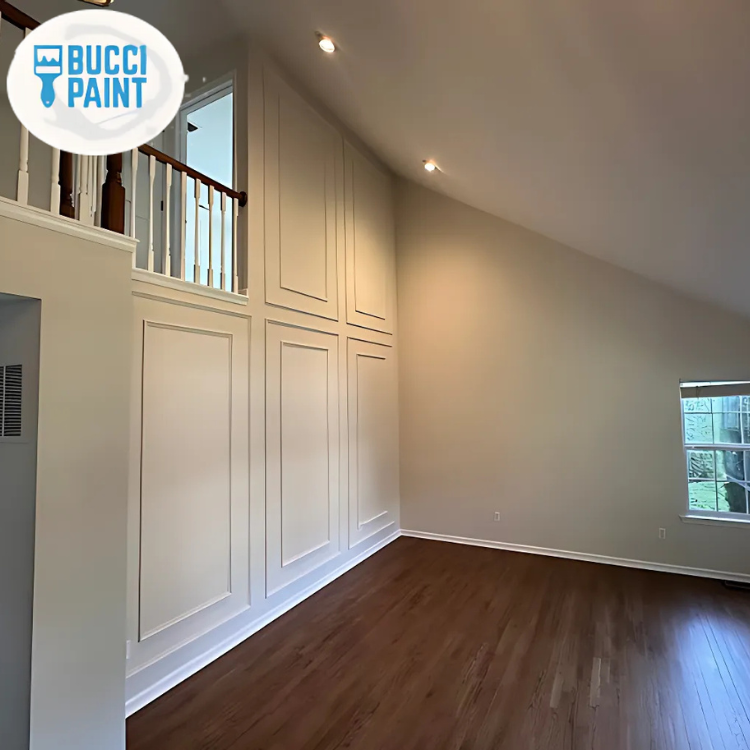
Color is one of the few design decisions that can completely change how your home feels in a single weekend. The right interior paint colors can make a tight room feel open, a dark hallway feel inviting, or a dated kitchen feel unexpectedly modern. On the other hand, the wrong color choice can make you dislike a room you used to enjoy, highlight flaws in walls and trim, or clash with your furniture in a way that is hard to ignore. That is why choosing the right colors for interior painting is not just a decorative choice; it is a decision that affects how you live, relax, and entertain every day.
In a place like Evesham, NJ, where homes range from older colonials to newer developments, color decisions also have to work with existing architecture, natural light patterns, and the changing seasons. A color that looks perfect in a bright model home might look muddy in a shaded Evesham living room, or overly intense in a small townhome bedroom. Homeowners often discover that picking a paint color from a tiny chip at the store is much harder than it seems. That is where thoughtful planning and guidance from a professional painting company like Bucci Paint become so valuable.
Instead of grabbing the trendiest shade of the year and hoping it works, it pays to slow down and understand what different colors actually do in a space. Once you understand how light, undertones, finishes, and room function all interact, you can choose colors with confidence. Whether you are repainting a single room or refreshing your entire Evesham home, a strategic approach to color will help you end up with a result that feels cohesive, personal, and comfortable for years to come.
How Color Shapes Mood
Every color on your walls sends a message, even if you are not consciously aware of it. Soft blues and greens tend to be associated with calm, nature, and relaxation, which is why they are so popular in bedrooms and bathrooms. Neutral beiges, greiges, and warm whites provide a quiet backdrop that lets furniture and art stand out, making them ideal for open-concept living spaces. Rich, saturated hues like navy, charcoal, or deep green can create a cocoon-like, sophisticated atmosphere when used thoughtfully in dining rooms, offices, or accent walls.
The key is to match the emotional impact of the color to the main purpose of the room. If your living room in Evesham is where everyone gathers at the end of the day, you may want warm, welcoming tones that encourage conversation and comfort. For a home office, you might lean toward cooler neutrals or muted greens that help with focus and reduce visual clutter. When Bucci Paint helps homeowners select colors, one of the first questions is always: “How do you want this room to feel?” That answer often points directly toward an appropriate color family.
It is also important to consider how long you plan to live with the color. A bright, energetic shade might be fun for a child’s room today, but will it still feel right in five years? Trend-driven colors can look dated quickly, while classic, balanced hues tend to age more gracefully. This does not mean avoiding color; it means choosing versions of those colors with subtle undertones and depth, so they feel interesting rather than overwhelming.
Understanding Light And Undertones
Lighting is the most underestimated factor in interior color selection. The same paint color can look completely different in two houses on the same street in Evesham, depending on the direction of the windows, the size of the room, and even the trees outside. North-facing rooms often make colors appear cooler and slightly darker, while south-facing rooms can intensify warm tones and make some colors feel more yellow or orange. East-facing rooms glow in the morning and cool off later in the day, while west-facing rooms do the opposite.
Because of these shifts, it is crucial to test paint samples on multiple walls and view them at different times of day. Bucci Paint often recommends painting larger sample swatches instead of relying on tiny chips or digital mockups. A 2×2 foot patch of color will reveal undertones and lighting interactions much more clearly than a small card. Homeowners in Evesham are frequently surprised to discover that a white they assumed was “pure” actually leans blue, pink, or cream once it is on the wall.
Undertones are the quiet colors hiding beneath the surface of a paint shade. A gray might have a blue, green, or purple undertone; a beige might lean pink, yellow, or gray. These undertones determine whether your new wall color harmonizes or clashes with your existing flooring, countertops, and furniture. For example, if you have warm honey oak floors, a gray with a strong blue undertone may feel cold and disconnected. A greige with a subtle warm undertone will usually look more cohesive. Professional painters learn to spot these undertones quickly and can steer you away from combinations that will fight each other once the paint dries.
Coordinating Rooms And Flow
Choosing interior colors room by room without a bigger plan can leave your home feeling choppy and disconnected. When you move from a cool gray hallway to a bright yellow kitchen to a dark red dining room, your eye has to constantly adjust, and the house can feel smaller and more chaotic. A better approach is to think in terms of a whole-home palette that supports a sense of flow, especially in Evesham homes with open floor plans.
One strategy is to select a main neutral that works well with your fixed elements (floors, cabinets, countertops) and then build a palette of two to four supporting colors that complement it. The neutral might be used in hallways, living areas, and ceilings, while the supporting colors appear in bedrooms, bathrooms, or as accent walls. This approach allows each room to have its own personality without feeling like it belongs in a different house. Bucci Paint often helps clients map this out visually, so they can see how colors will transition from space to space.
Consider sightlines when choosing where to change colors. Stand at your front door and look through the main areas of your home. Which walls are visible at the same time? Those walls should either be the same color or part of a closely related family, so your eye moves smoothly. In smaller Evesham homes or townhouses, maintaining a consistent color on the main level and reserving bolder choices for upper floors or private rooms can make the space feel larger and more unified.
Balancing Trends With Timelessness
Color trends are everywhere: social media, design magazines, and home improvement shows all promote the latest “must-have” shades. While these trends can provide inspiration, they should not dictate your entire interior palette. A color that looks stunning in a professionally staged photo may not translate well to a busy family home in Evesham with different lighting, architecture, and furnishings. The challenge is to borrow the spirit of a trend without locking yourself into something you will regret in two years.
One way to do this is to keep your large, expensive-to-change surfaces relatively classic and flexible, while using bolder, trendier colors in smaller doses. For example, you might choose a soft, neutral wall color that works with many styles, then incorporate the trendy shade in a powder room, on an accent wall, or through accessories like pillows and artwork. If you tire of the accent color, repainting one wall or swapping decor is far easier than redoing the entire house.
Bucci Paint often helps Evesham homeowners translate trends into practical choices. If deep, moody colors are popular, that does not mean every room should be dark. A single deep green wall behind a headboard or a charcoal accent in a dining room can give you that modern, dramatic feel without sacrificing light and openness elsewhere. Similarly, if warm earthy tones are in style, choosing a refined, muted version instead of a bold terracotta can keep your home feeling current but still timeless.
Practical Color Choices For Real Life
Beyond aesthetics, interior paint color has a very practical side. Some shades hide scuffs, fingerprints, and everyday wear better than others. In high-traffic areas like hallways, stairwells, and family rooms, mid-tone colors and slightly warm neutrals often perform better than stark whites or very dark hues. Whites can show every mark, while very dark colors can reveal dust and imperfections. Bucci Paint frequently recommends washable, durable finishes in these spaces, paired with colors that strike a balance between light and livable.
Ceilings and trim also deserve careful thought. A crisp white trim can make wall colors look cleaner and more intentional, but the specific white you choose matters. A very cool, bright white may clash with warmer wall colors, making them look dingy. A softer, warm white often pairs better with beiges, taupes, and warm grays commonly found in Evesham homes. For ceilings, slightly warmer or off-white tones can make a room feel cozier, while matching the ceiling to the walls can visually raise or lower the perceived height of the space depending on the effect you want.
It is also wise to think about resale value, even if you are not planning to move soon. While you should absolutely personalize your home, extremely bold or unusual color schemes throughout the house can make it harder for future buyers to see themselves in the space. Many Evesham homeowners choose a mostly neutral base with a few well-placed, more personal colors. This gives you the enjoyment of a customized look while maintaining broad appeal if you decide to sell later.
Why Work With A Local Pro
Online inspiration and paint chips are helpful starting points, but they cannot replace the trained eye and local experience of a professional painter. Bucci Paint works in Evesham, NJ and surrounding communities every day, so the team has seen how hundreds of colors behave in real homes with local light, weather, and architectural styles. That experience allows them to quickly narrow down options and steer you toward shades that consistently look good in this area, not just in marketing photos.
A professional also understands how sheen, preparation, and application techniques affect the final appearance of a color. The same color in flat, eggshell, and satin can look like three different shades because of the way they reflect light. In some rooms, a higher sheen might highlight wall imperfections; in others, it is necessary for durability and washability. Bucci Paint can recommend the right combination of color and finish for each room, so you get the look you want without sacrificing performance.
Finally, working with a local painting company means you have a partner from initial color conversation through final touch-ups. If you are also considering freshening up the outside of your home, coordinating interior and exterior palettes becomes important for overall curb appeal and harmony. You can learn more about related services, such as Exterior Painting, while planning your project. Having one team familiar with your entire property makes it easier to create a cohesive look that reflects your style inside and out.
Frequently Asked Questions
How do I start choosing colors if I feel overwhelmed? Begin by looking at what you already own and love. Notice the colors in your favorite rug, piece of art, or fabric; these often point to a palette you naturally enjoy. Next, decide on a general direction: do you prefer warm or cool tones, light or dark spaces, bold or subtle color? From there, narrow down to a few samples and test them on your walls. In Evesham, you can also ask Bucci Paint to help create a small set of curated options instead of facing an entire fan deck of colors on your own.
Should all the rooms in my home be the same color? They do not have to be, but they should relate to each other. Many homeowners choose one main neutral for common areas and then use coordinating colors in bedrooms, bathrooms, and offices. This approach keeps the house feeling connected while allowing each space to have its own character. In smaller homes or townhouses around Evesham, using the same color on most walls can make the space feel larger and more open, with subtle variations or accent walls providing interest where needed.
How many paint colors are too many in one house? A useful guideline is to aim for a cohesive palette of three to five main colors, not counting white trim or ceilings. Those colors can appear in different proportions in different rooms, but they should repeat throughout the house to create rhythm and unity. When every room introduces a completely new color, the overall effect can feel busy and fragmented. Bucci Paint often helps homeowners build a simple palette that they can use as a reference when repainting over time, so new projects always tie back to the original scheme.
What is the best way to test paint colors before committing? Always test colors directly on your walls, not just on sample cards. Paint at least a 2×2 foot square in two or three spots in the room, ideally on walls that receive different amounts of light. Look at those samples in the morning, afternoon, and evening, with both natural and artificial light. Place your furniture, fabrics, and flooring next to the samples to see how they interact. If you are still unsure, Bucci Paint can provide guidance based on how similar colors have performed in other Evesham homes with comparable light and layouts.
How long should I expect my interior paint colors to last? High-quality interior paint, applied correctly, can look good for many years, especially in low-traffic areas. However, lifestyle, kids, pets, and sunlight exposure all affect longevity. Neutrals and timeless hues tend to age more gracefully than very trendy or intense colors, which you may tire of more quickly. In Evesham, many homeowners refresh high-use rooms like kitchens, family rooms, and hallways every 5–7 years, while bedrooms and formal spaces can often go longer. Choosing the right colors from the start makes each repaint feel like an upgrade, not a correction.