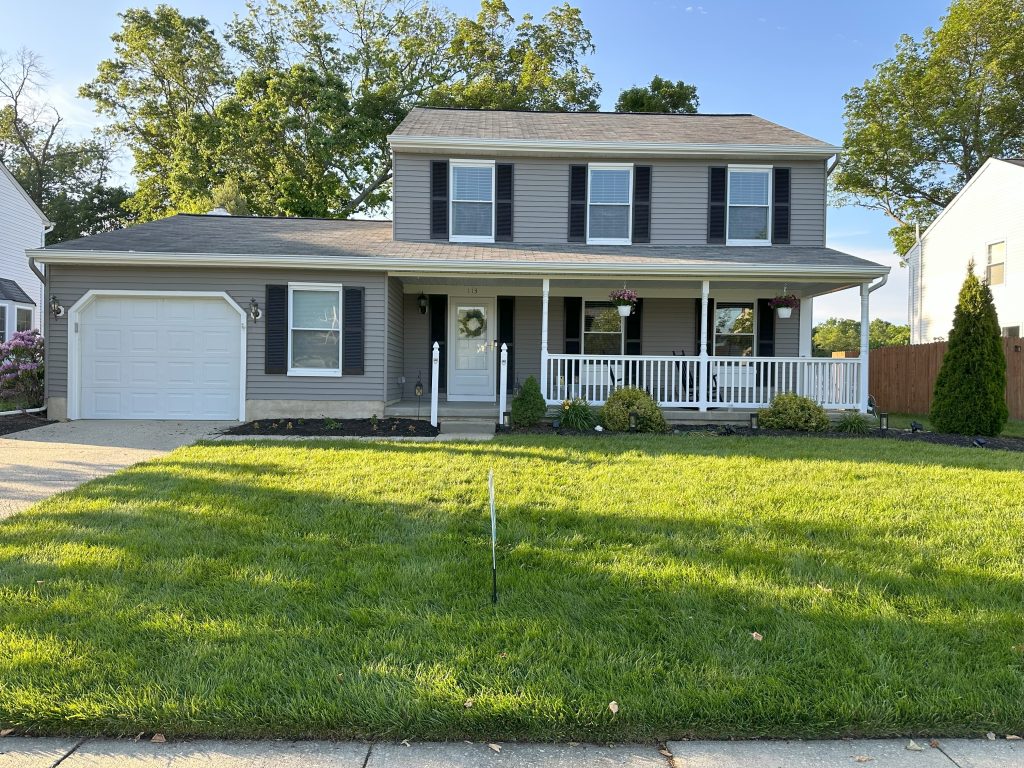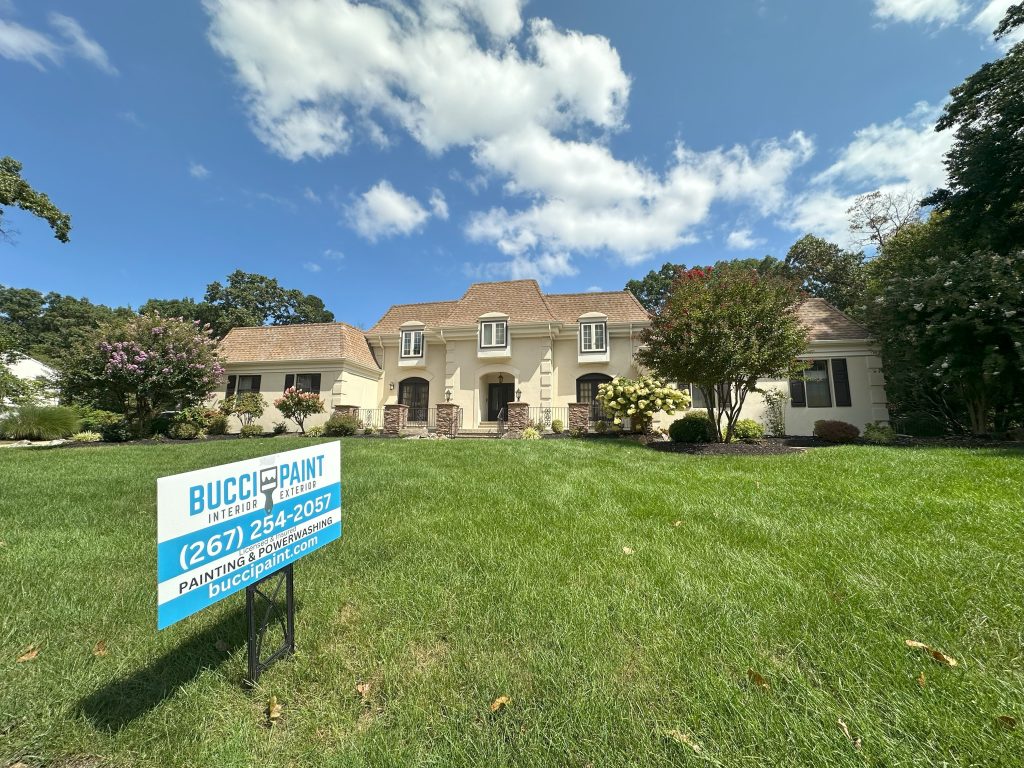
By the time you notice the faded siding, peeling trim, and hairline cracks around your windows, it’s usually not just about curb appeal anymore. Exterior paint is your home’s first line of defense against South Jersey’s sun, snow, and humidity, and when it starts to fail, the weather finds every weak spot. Maybe you’ve driven through your Evesham, NJ neighborhood and noticed how freshly painted homes seem newer, tighter, and better cared for, while tired exteriors drag down the look of the whole street. That difference isn’t just color choice; it’s the result of careful planning, smart product selection, and professional painting techniques.
For many homeowners, the idea of exterior painting feels overwhelming: ladders, scraping, sanding, caulking, primers, paint types, weather windows… it’s a lot. Yet with the right guidance, you can make informed decisions, even if you ultimately hire a professional like Bucci Paint to handle the work. Understanding how the process should be done helps you spot shortcuts, ask better questions, and protect your investment. The goal isn’t simply to get a new color on the walls; it’s to create a durable, attractive finish that stands up to Evesham’s changing seasons for years, not months.
Below are professional-level tips and insights drawn from how experienced painters approach exterior jobs across South Jersey. Whether you’re planning to tackle some of the work yourself or want to know what to expect when you bring in a pro, these guidelines will help you avoid common mistakes, choose the right materials, and end up with a result you’re proud to come home to every day.
Know Your Exterior Surfaces
Before you even think about paint color, you need to understand exactly what surfaces you’re dealing with. Evesham homes often mix materials: vinyl siding with wood trim, older cedar shingles, stucco, brick foundations, or even aluminum siding on mid-century homes. Each material expands, contracts, and weathers differently, and that matters when you choose primers, paint types, and preparation methods. What works beautifully on wood can fail quickly on vinyl, and the wrong product on brick can trap moisture instead of allowing it to breathe.
Walk around your home and take notes: Is the siding wood, fiber cement, vinyl, or aluminum? Are there areas of bare wood, chalky paint, mildew, or rust? Do you see hairline cracks in stucco or mortar? This visual inventory helps you understand the scope of work and where the most attention is needed. Professionals like Bucci Paint start every project with this kind of assessment because skipping it is the fastest path to peeling paint and unexpected repairs a year or two down the line.
Different surfaces also require different preparation tools. For example, wood with heavy peeling might need scraping and sanding, while chalky aluminum often needs a thorough wash and a bonding primer. Stucco may need crack repair and patching before any coating is applied. When you treat every surface the same, you usually end up overworking some areas and under-preparing others. Taking the time to categorize your exterior materials is one of the most important steps toward a long-lasting finish.
Preparation: Where Durability Begins
Ask any experienced exterior painter what matters most, and you’ll hear the same thing: preparation is everything. Most homeowners underestimate how much time and effort proper prep takes. In reality, 60–70% of a quality exterior job is cleaning, scraping, repairing, and priming. Painting over dirt, mildew, or failing coatings is like putting new shingles over rotten decking; it may look fine for a short time, but problems will show up quickly.
Start by cleaning. In Evesham’s climate, mildew and airborne pollutants can cling to siding and trim. A gentle wash with a siding-safe cleaner and a soft brush, or a carefully controlled low-pressure wash, removes contaminants that would otherwise interfere with adhesion. Avoid blasting water into gaps or under siding, as that can cause hidden moisture issues. Professionals know how to balance cleaning power with surface safety, which is one reason many homeowners choose to leave this step to a pro.
Once the exterior is clean and dry, address loose paint and damaged areas. Scrape any flaking or peeling paint down to a sound edge, then feather those edges with sanding so they don’t show through the new finish. Replace rotted wood rather than trying to paint over it; paint cannot fix structural problems. Holes, gaps, and minor imperfections can be filled with exterior-grade fillers or caulks designed for paint. This is also the time to inspect caulking around windows, doors, and trim; failed caulk is a common path for drafts and water intrusion in South Jersey homes.
Finally, don’t skip primer where it’s needed. Bare wood, patched areas, and certain previous coatings (like chalky or glossy surfaces) benefit from the right primer to ensure proper bonding. Primers also help block stains and tannins from bleeding through light-colored paint. A professional crew like Bucci Paint will use different primers for different situations – stain-blocking primers for knotty wood, bonding primers for previously painted metal or vinyl, and masonry primers for porous stucco or brick. This product matching step is crucial for longevity.
Choosing Paints And Finishes
Once your surfaces are ready, the focus shifts to choosing the right coatings. Not all exterior paints are created equal, and the cheapest option on the shelf is often the most expensive choice over time. In Evesham, NJ, your paint has to handle hot sun, cold winters, rain, and humidity. High-quality exterior paints are formulated to flex with temperature changes, resist fading, and fight mildew growth. Paying more for a premium line usually means better coverage, richer color retention, and longer life between repaints.
There are three key decisions: paint type, sheen, and color. For most residential exteriors, 100% acrylic latex paints are the standard because they offer excellent adhesion, flexibility, and resistance to weathering. Oil-based paints are less common for full exteriors today but still have niche uses, such as for certain metal railings or specific stain-blocking needs. When in doubt, consult the manufacturer’s guidelines or ask a professional; using the wrong type can lead to cracking or poor adhesion.
Sheen (or gloss level) matters more than many homeowners realize. Flat or matte finishes hide surface imperfections and are often used on siding, but they can be slightly less washable. Satin and low-sheen finishes balance washability and appearance and are very popular for exterior walls. Semi-gloss is commonly used on trim and doors because it highlights architectural details and is easier to clean. High gloss is typically reserved for specialty areas. A common professional strategy is flat or satin for siding and semi-gloss for trim to create subtle contrast and durability where hands and weather do the most damage.
Color choice is where most homeowners focus, and it’s important both aesthetically and practically. Lighter colors tend to reflect heat and fade less noticeably, while very dark shades can absorb heat and sometimes show more imperfections over time. In Evesham neighborhoods, you may also want to consider HOA guidelines or prevailing styles. Professional painters often recommend testing a few sample colors on multiple sides of the house to see how they look in morning, midday, and late afternoon light. The same color can appear dramatically different on the shaded side of your home versus the sunniest wall.
Weather, Timing, And Application
Even the best paint and preparation can fail if you ignore the weather. Exterior painting in Evesham, NJ has to be planned around temperature, humidity, and precipitation. Most high-quality exterior paints specify a minimum and maximum temperature range, both for the air and the surface being painted. Painting when it’s too cold can slow curing and compromise adhesion; painting in extreme heat can cause the paint to dry too quickly, leading to lap marks and poor film formation.
Humidity and moisture are just as important. Surfaces need to be dry before you apply primer or paint. Morning dew, recent rain, or trapped moisture in wood or stucco can all cause blistering or peeling down the road. Professional crews often start on the sunlit side of the house once the dew has evaporated, then move to shaded areas as the day warms and the sun shifts. They also track weather forecasts carefully, building in drying time between coats and avoiding days with high rain chances.
Application technique separates a professional-looking job from an amateur one. Good painters maintain a “wet edge,” working methodically so each new section blends into the last without visible lines. They back-brush or back-roll paint into rough or porous surfaces to ensure full coverage instead of just skimming the top. They cut clean lines where siding meets trim and avoid overloading paint, which can cause sags and drips. Consistent coverage, proper film thickness, and attention to detail all contribute to how long the paint will protect your home.
Tools matter as well. Quality brushes, rollers, and sprayers (when used correctly) improve both the appearance and the efficiency of the job. Spraying followed by back-rolling is a common professional approach on siding because it combines speed with deep penetration into the surface. However, spraying requires careful masking and experience to avoid overspray on windows, roofs, landscaping, and neighboring properties. This is one area where hiring a professional like Bucci Paint can save you a lot of frustration and potential cleanup.
Details That Elevate Curb Appeal
Once the main body of the house is painted, the details determine whether your home looks simply “freshened up” or truly transformed. Trim, doors, shutters, railings, and even downspouts all contribute to the overall impression. Choosing the right accent colors and finishes for these elements can enhance your home’s architecture and make it stand out in a tasteful way on your Evesham street. A slightly deeper or brighter trim color can frame windows and doors, while a bold front door can provide a focal point without overwhelming the facade.
Pay special attention to entry doors and trim, since they take a lot of wear from hands, keys, and weather. Using a higher-sheen, durable paint on these areas makes them easier to clean and more resistant to scuffs. If you are considering replacing or upgrading trim or doors before painting, it can be efficient to coordinate that work with a professional contractor; services like Trim and Door Installation can help ensure that new components are properly installed and ready to be finished as part of the same exterior project.
Hardware, lighting, and house numbers are often overlooked but can dramatically influence the final look. After repainting, older fixtures can suddenly appear dingy or outdated against the fresh backdrop. Many homeowners in Evesham use an exterior repaint as an opportunity to swap out tired fixtures, refresh mailbox colors, or repaint railings and metalwork. Coordinating these elements with your color scheme creates a cohesive, intentional appearance rather than a patchwork of old and new.
Landscaping also plays a role. Fresh paint can highlight overgrown shrubs or trees crowding the facade. Trimming back plants, cleaning up beds, and making sure bushes are not rubbing against freshly painted surfaces helps both the appearance and the longevity of the paint. Branches and shrubs that scrape against siding can quickly damage a new finish, so pairing exterior painting with basic landscape maintenance is a smart move.
DIY Or Hire A Pro?
With enough time, patience, and attention to safety, some homeowners can handle parts of an exterior painting project themselves. Washing, minor scraping, and even painting low, easily accessible areas can be manageable DIY tasks. However, it’s important to be realistic about what’s involved. Exterior work often means tall ladders, working on uneven ground, handling heavy extension ladders, and spending long hours in the sun. Safety should always come first, and falls from ladders are one of the most common household accidents.
Skill level matters too. Cutting straight lines, achieving even coverage, and diagnosing surface issues all take experience. If your home has multiple stories, complex architectural details, or significant peeling and repair needs, hiring a professional like Bucci Paint in Evesham, NJ is usually the better choice. Professionals bring not only the right tools and equipment but also the knowledge to select appropriate products, manage weather conditions, and handle unexpected problems like hidden rot or substrate failure.
Cost is another consideration. At first glance, DIY may appear cheaper, but when you factor in tools, ladders or scaffolding, quality paints, primers, caulks, and your own time, the savings can narrow. A poorly done job that needs to be redone in a couple of years ends up costing more than a professional job that lasts a decade or longer. Many homeowners find the best approach is a hybrid: they handle prep tasks within their comfort level and let professionals take care of high, complex, or critical areas.
When you do hire a contractor, look for clear, written proposals that describe the scope of prep work, products to be used, number of coats, and any repairs included. Ask about warranties on both materials and labor. A reputable local company that understands Evesham’s climate and housing styles will be able to explain their process in detail and answer your questions without hesitation. That transparency is often the best indicator that your home will receive the care and attention it deserves.
Frequently Asked Questions
How often should I repaint the exterior of my home in Evesham, NJ? The typical repaint cycle in our climate is about 7–10 years, but it depends heavily on the materials, previous paint quality, sun exposure, and maintenance. South- and west-facing walls that get more sun may show fading or wear sooner than shaded sides. Wood surfaces generally need more frequent attention than brick or fiber cement. Instead of waiting for major peeling, inspect your exterior annually; early signs like hairline cracks, chalking, and minor peeling indicate it’s time to plan a repaint before more costly damage occurs.
What is the best time of year to do exterior painting in this area? In Evesham, late spring through early fall is usually the best window, when temperatures are consistently within the recommended range for most exterior paints and there’s less risk of freezing nights. Many professionals prefer late spring and early fall because temperatures are moderate and humidity is more manageable. That said, modern paints have wider temperature tolerances than older products, so there is some flexibility. The key is to avoid painting during extreme heat, immediately before rain, or when surfaces are damp from dew or recent storms.
Do I really need to prime if I’m using a paint-and-primer-in-one product? Paint-and-primer-in-one products can perform well on previously painted, sound surfaces that are properly cleaned, but they are not a replacement for dedicated primers in all situations. Bare wood, stained areas, significant repairs, and surfaces with adhesion issues usually require a specific primer tailored to the problem, such as stain-blocking or bonding primers. Professional painters often use a combination approach: spot-prime problem areas and then use a high-quality exterior paint over the whole surface for uniform color and protection.
How do I choose exterior colors that will look good on my home? Start by considering your home’s fixed elements: roof color, brick or stone, and surrounding landscape. Your siding color should harmonize with these, not fight them. Many homeowners pick a main body color, a contrasting trim color, and an accent for doors or shutters. Test your top choices on different sides of the house and view them at various times of day; natural light can dramatically change how colors appear. Looking at other homes in your Evesham neighborhood can also help you identify combinations that work well with local styles and materials.
What should I ask a painting contractor before hiring them? Ask about their preparation process in detail: how they handle cleaning, scraping, sanding, repairs, and priming. Request information on the specific paint brands and product lines they plan to use and why. Inquire about insurance, licensing (where applicable), and how long they’ve been working in the Evesham area. Ask for references or photos of recent local projects. Finally, make sure their written proposal clearly specifies surfaces to be painted, number of coats, and any included repairs or warranties. Clear communication upfront is a strong indicator of a smooth project and a durable, attractive result.