Deck Painting and Staining: What You Need

By the time spring hits Evesham, NJ, a lot of decks are telling the same story. The color is faded where the sun hits hardest, the railings are rough to the touch, and those once-rich boards now look tired and gray. Maybe you’re getting ready to host a graduation party, a family barbecue, or just want your backyard to feel like a retreat again. That’s when deck painting and staining stops being a “someday” project and becomes something you need to tackle before another season of weather and foot traffic does more damage.

For many homeowners, the real challenge is not deciding that the deck needs work, but figuring out exactly what is required to do it right. Do you paint or stain? What products actually hold up in South Jersey’s mix of humid summers, cold winters, and everything in between? How much prep is really necessary, and what can you skip without regretting it later? When you work with a local contractor like Bucci Paint, these questions are part of the planning conversation, not afterthoughts you discover when the finish starts peeling.

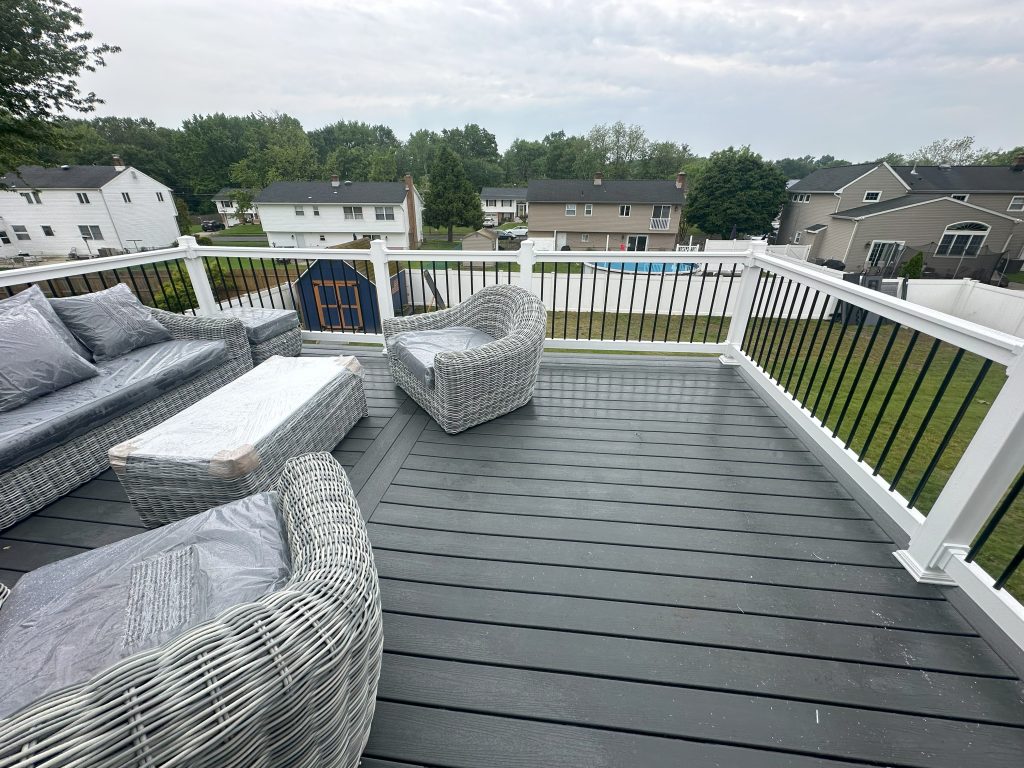
Deck painting and staining isn’t just about color; it’s about protection, longevity, and how you want to use your outdoor space. The right system can keep moisture out of your boards, resist UV damage, minimize splintering, and make the entire deck easier to clean and maintain. The wrong system – or even the right system applied incorrectly – can trap water, peel, flake, and leave you starting over much sooner than you expected. Understanding what you need before you start is the key to a deck that looks good and lasts in Evesham’s demanding climate.

Paint Or Stain?

One of the first decisions you’ll face is whether to paint or stain your deck, and this is where many projects go off track. Paint creates a solid, opaque film on top of the wood, similar to what you see on trim or siding. It can deliver dramatic color changes and a very uniform look, which appeals to homeowners who want their deck to feel more like an outdoor room. However, because paint sits on the surface, it is more prone to peeling and chipping if moisture gets underneath or if the surface wasn’t prepared thoroughly.

Stain, on the other hand, penetrates into the wood fibers rather than forming a thick film on top. It can be transparent, semi-transparent, or solid, each offering different levels of color and wood grain visibility. In Evesham, NJ, where decks take a beating from sun, rain, and snow, many pros favor high-quality stains because they are more forgiving as they age. Instead of peeling in sheets like paint, a good stain will gradually wear down, allowing for easier maintenance coats in the future.

Your deck’s current condition also plays a big role in this decision. If the wood is older, has many repairs, or has mismatched boards, a solid stain or deck paint can help hide imperfections and create a cohesive look. If you have newer or higher-grade lumber that you want to showcase, a semi-transparent stain lets the natural grain show through while still providing protection. Bucci Paint typically evaluates factors like existing coatings, wood type, exposure to sun and shade, and how often you’re willing to maintain the deck before recommending a specific approach.

There’s also the question of how the surface will feel and function. Paint can offer more color options and sometimes better resistance to heavy foot traffic on railings and vertical surfaces, but it can become slick if the wrong sheen is used on horizontal boards. Many modern stains are engineered to provide good traction and resist mildew growth, which is important in a region with humid summers like Evesham. Matching the product to how you actually use the deck – kids running around, pets’ claws, frequent grilling – is just as important as choosing the right color.

Prep Work You Cannot Skip

No matter how premium the paint or stain, poor preparation will sabotage the project. Deck boards accumulate dirt, pollen, mildew, old coating residue, and even invisible contaminants like sunscreen and grill grease. If these stay on the surface, they act as a barrier between the wood and the new coating. That’s why professional deck refinishing always starts with a thorough cleaning, often using specialized cleaners formulated for exterior wood, followed by careful rinsing so no residue is left behind.

In Evesham, where winter snow and ice can drive moisture deep into deck boards, it’s also common to see raised grain, splinters, and minor cupping. After cleaning, many decks benefit from light sanding or mechanical abrasion to smooth rough areas, open up the wood fibers, and remove any loose or failing finish. This step is especially important if you’re changing from an old film-forming product to a penetrating stain, or if you’re dealing with peeling paint. Skipping this preparation might save a few hours now, but it almost guarantees premature failure later.

Moisture testing is another step that often gets overlooked in DIY projects. Wood that looks dry on the surface may still be holding moisture inside, especially after a rainy stretch or in shaded areas that don’t dry quickly. Applying paint or stain to damp wood can trap water, leading to blistering, peeling, and mildew growth. Professionals like Bucci Paint use experience and, when needed, moisture meters to confirm the deck is ready to coat, rather than simply guessing based on how it feels.

Finally, preparation includes protecting the areas around your deck. Landscaping, siding, concrete patios, and outdoor furniture all need to be covered or moved. In Evesham’s breezy conditions, overspray can travel farther than you expect, and stain splatters on pavers or vinyl siding can be very difficult to remove. Proper masking, taping, and jobsite setup may not be the “exciting” part of deck staining or painting, but they are crucial to a clean, professional result.

Choosing Products For Evesham’s Climate

The weather in Evesham, NJ, demands products that can handle wide temperature swings, high humidity, and strong UV exposure. Not every coating labeled “exterior” is truly suited for horizontal wood surfaces like decks. Deck boards expand and contract more than vertical surfaces, and they sit under standing water and snow for longer periods. That’s why reputable contractors stick with coatings specifically designed for decks or exterior walking surfaces, not generic exterior paints.

For stains, the resin type and solids content matter. High-quality acrylic or oil-modified stains are formulated to penetrate deeply and flex with the wood instead of becoming brittle. Transparent and semi-transparent stains rely on pigments and UV inhibitors to slow down graying, while solid stains provide a more paint-like appearance with added coverage. In a setting like Evesham, where sun can be intense in open backyards, most decks benefit from at least a semi-transparent or solid stain for better UV resistance.

If paint is the right choice for your deck, it should be a product designed for horizontal exterior wood, often called porch and floor enamel or a deck coating. These products are engineered for abrasion resistance and better adhesion under foot traffic. They also come in specific sheens that help with traction and dirt resistance. Using standard exterior house paint on deck boards is a common mistake; it may look good initially but tends to peel and scuff much faster.

Drying and curing times are another local consideration. In humid New Jersey summers, a product that dries too slowly can attract dust, leaves, and insects, or stay tacky longer than expected. Bucci Paint times projects around the forecast, avoiding days with rain in the near future and working within temperature ranges recommended by the manufacturer. This kind of planning, combined with the right product selection, helps ensure that the coating bonds properly and reaches full durability.

Application Techniques That Matter

Once the prep is done and the products are chosen, the way the coating is applied can make the difference between a deck that looks freshly finished for years and one that starts to show wear after a single season. Uniform coverage is critical. For stain, working in manageable sections and maintaining a “wet edge” prevents lap marks and uneven color. Professionals often brush or back-brush after spraying to work the product into the wood fibers, ensuring deeper penetration and more consistent protection.

With paint or solid stain, film build is important. Too thin, and the coating won’t protect adequately; too thick, and it can be prone to cracking. Manufacturers specify spread rates and recommended number of coats, and following these guidelines is not optional if you want the product warranty and long-term performance. Horizontal surfaces typically require at least two coats, while railings and vertical surfaces may also benefit from multiple passes for complete coverage.

Attention to details like board ends, joints, and fastener heads is another professional hallmark. The cut ends of boards are particularly vulnerable to moisture absorption, so saturating them with stain or carefully coating them with paint can slow down rot and warping. Areas around posts, stair treads, and under railings are easy to miss in a rush, but these are exactly the spots where failure often begins. Bucci Paint crews are trained to inspect these details before calling a job complete.

Timing between coats is also crucial. Applying a second coat before the first has adequately dried can trap solvents or water, leading to a soft film or adhesion issues. Conversely, waiting too long between coats can reduce intercoat adhesion. In Evesham’s variable weather, understanding how temperature, sunlight, and humidity affect these windows is part of professional application, not guesswork. The result is a smoother, more durable finish that stands up to everyday use.

Maintenance And Long-Term Care

Even the best deck coating system in the world is not “set it and forget it.” Exterior wood surfaces need ongoing care, especially in a four-season climate. The good news is that if the initial application was done properly, maintenance becomes far easier and more predictable. Regular cleaning, at least once or twice a year, helps remove grime, mildew spores, and airborne contaminants that can break down coatings. This doesn’t always require harsh chemicals; often, a gentle deck cleaner and low-pressure rinse are enough.

Visually inspecting your deck at the start and end of each season is a smart habit. Look for areas where water seems to soak in quickly, where color is noticeably fading, or where the coating is starting to wear in traffic lanes and on stair treads. Catching these early signs allows you to apply a maintenance coat of stain or touch up paint before the wood is exposed long enough to be damaged. In many cases, a light cleaning and single maintenance coat every few years can extend the life of the original project significantly.

The type of product you chose will influence your maintenance schedule. Transparent and semi-transparent stains generally need refreshing more often than solid stains or paints, but they are also easier to recoat without heavy sanding or stripping. Solid stains and paints can last longer between full recoats, but when they do fail, the prep work is more involved. Bucci Paint often discusses these trade-offs with Evesham homeowners upfront so there are no surprises later.

Finally, how you use the deck matters. Using furniture pads under chair and table legs, placing mats in high-traffic entry points, and avoiding dragging heavy planters or grills can all extend the life of the finish. Clearing snow with a plastic shovel instead of metal, and avoiding de-icing products that can attack coatings, also make a difference. A well-finished deck is an investment; treating it with a bit of care ensures that investment pays off season after season.

Why Work With A Local Pro

On paper, deck painting and staining might look like a straightforward weekend project. In reality, there are dozens of decisions and variables that determine how the finished deck will look and how long it will last. Local experience matters. A contractor like Bucci Paint, who works regularly on homes in Evesham and surrounding South Jersey communities, understands how local weather, typical deck construction, and regional building materials influence product choice and application techniques.

Professional crews also bring the right tools to the job: commercial-grade washers, sanding and scraping equipment, sprayers, brushes, and safety gear. This doesn’t just speed up the process; it allows for more thorough prep and more controlled application. For example, knowing when to use a sprayer and when to switch to hand-brushing around railings and spindles can significantly improve the final look. Consistency in color, sheen, and coverage is difficult to achieve with improvised tools.

There is also the question of accountability. A reputable company stands behind its work, offers guidance on maintenance, and can return for future touch-ups or refinishing when the time comes. They keep records of the specific products and colors used, which makes future maintenance far simpler. Instead of guessing at what was applied years ago, you have a clear history to build on.

If you are considering reviving your deck and want to explore professional options, you can learn more about related exterior services through Bucci Paint’s page on Deck Staining. Having a knowledgeable partner walk you through the process, from evaluation to final cleanup, can turn what feels like a daunting project into a smooth upgrade for your outdoor living space.

Frequently Asked Questions

How do I know if my deck needs painting or staining instead of just cleaning? If your deck only looks dirty but the color is generally uniform and water still beads on the surface, a deep cleaning may be enough for now. However, if you see gray, weathered wood, areas where water soaks in immediately, peeling or flaking finish, or boards that feel rough and splintered, it’s time for more than cleaning. In Evesham’s climate, most decks need at least a maintenance coat of stain every few years to stay protected. A professional inspection can quickly determine whether you’re due for a full refinish or a lighter refresh.

Is painting or staining better for an older deck in Evesham, NJ? For older decks with lots of patched areas, discoloration, or mismatched boards, a solid stain or specialized deck paint can create a more uniform appearance and hide many imperfections. However, because older wood can move and crack more, products that remain flexible and breathable are important. Many Evesham homeowners find that a high-quality solid stain offers a good balance: it provides strong coverage like paint but tends to age more gracefully and is easier to maintain. The final choice should be based on the deck’s condition, your aesthetic goals, and how much ongoing maintenance you’re comfortable with.

How long does deck staining or painting typically last? Longevity depends on the product type, exposure, and maintenance. Transparent and semi-transparent stains may need reapplication every 2–3 years on sun-exposed areas, while solid stains and specialized deck paints can last 4–6 years or more with proper care. Shaded or covered sections usually last longer. In Evesham, where UV exposure and moisture cycles are significant, planning for regular inspections and occasional touch-ups is wise. A well-maintained system can keep your deck protected for many seasons without needing a full strip and redo.

Can I switch from stain to paint (or vice versa) on my existing deck? Switching is possible but requires more extensive preparation. Going from stain to paint or solid stain typically means ensuring any existing coating is sound, thoroughly cleaning, and often sanding or lightly stripping to create a suitable surface for the new film-forming product. Going from paint to stain is more complicated, because stain needs to penetrate the wood; most or all of the paint must be removed, which can be labor-intensive. A professional like Bucci Paint will evaluate the existing coatings and advise whether a switch is practical or if staying within the same system is the smarter, more cost-effective choice.

When is the best time of year to paint or stain a deck in Evesham? The ideal window is typically late spring through early fall, when temperatures are moderate and nights are not too cold. Most products specify application within certain temperature and humidity ranges, and avoiding rain within a set number of hours after application is critical. In Evesham, this often means aiming for dry stretches with temperatures roughly between the mid-50s and mid-80s, and avoiding days with heavy wind or extreme humidity. Professional contractors schedule work around the local forecast to make sure the deck has enough time to dry and cure properly for maximum durability.

Leave a Comment

Your email address will not be published. Required fields are marked *