Interior Painting Techniques for Modern Aesthetics

What actually makes a room feel “modern” when you walk in—the furniture, the lighting, or the paint on the walls? For many Evesham, NJ homeowners, the answer turns out to be color and technique. The way paint is applied, the finishes you choose, and the way hues interact with natural light can transform a dated interior into a clean, contemporary space without moving a single wall. Modern aesthetics are less about stark white boxes and more about intentional choices, subtle contrasts, and finishes that complement how you live in your home.

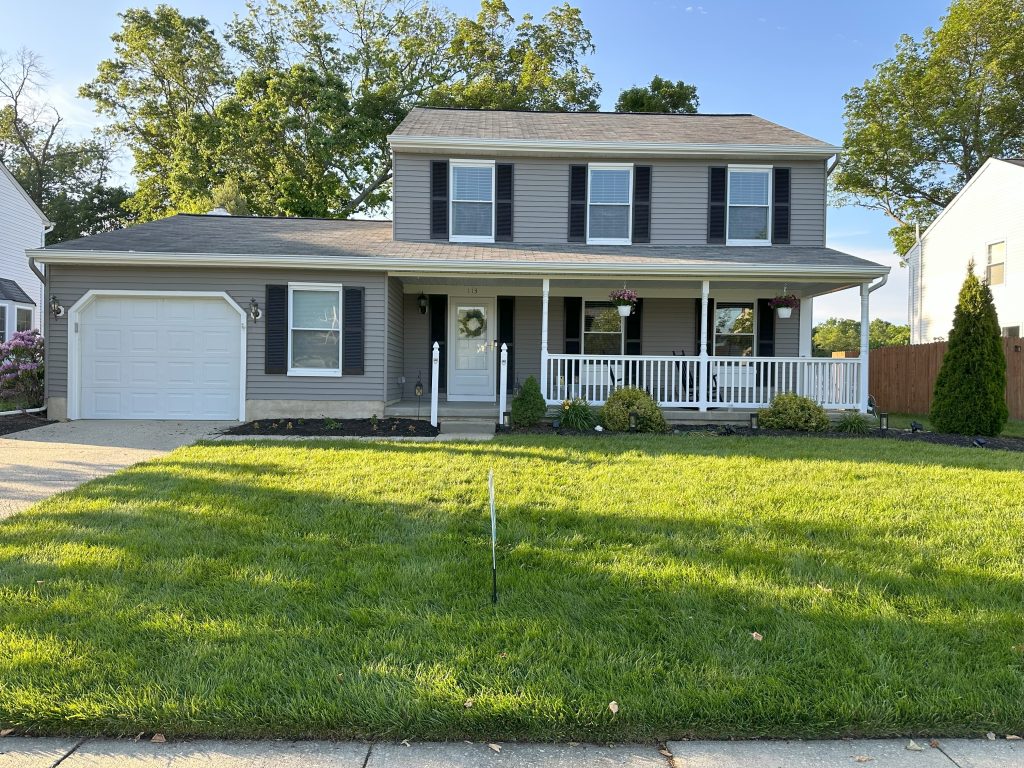
Interior painting techniques for modern aesthetics go far beyond picking a trendy color from a fan deck. It involves understanding how sheen levels change the mood of a room, how to use accent walls without making them feel like an afterthought, and how to create soft transitions that visually organize open-concept layouts. In Evesham, NJ, where many homes blend traditional architecture with updated interiors, homeowners are increasingly looking for ways to refresh their spaces using paint as the primary design tool. That is where a detail-focused local contractor like Bucci Paint can make a dramatic difference, combining craftsmanship with design awareness.

Whether you are updating a single room or planning a whole-house repaint, modern interior painting is about clarity, cohesion, and subtle sophistication. From ultra-smooth walls that look almost like plaster to carefully layered neutrals that shift with the daylight, the techniques you choose can either elevate your home or leave it feeling incomplete. The following strategies and approaches are designed to help you understand what is possible, what works best in South Jersey homes, and how professional application can turn a simple color choice into a truly modern interior.

Defining A Modern Look

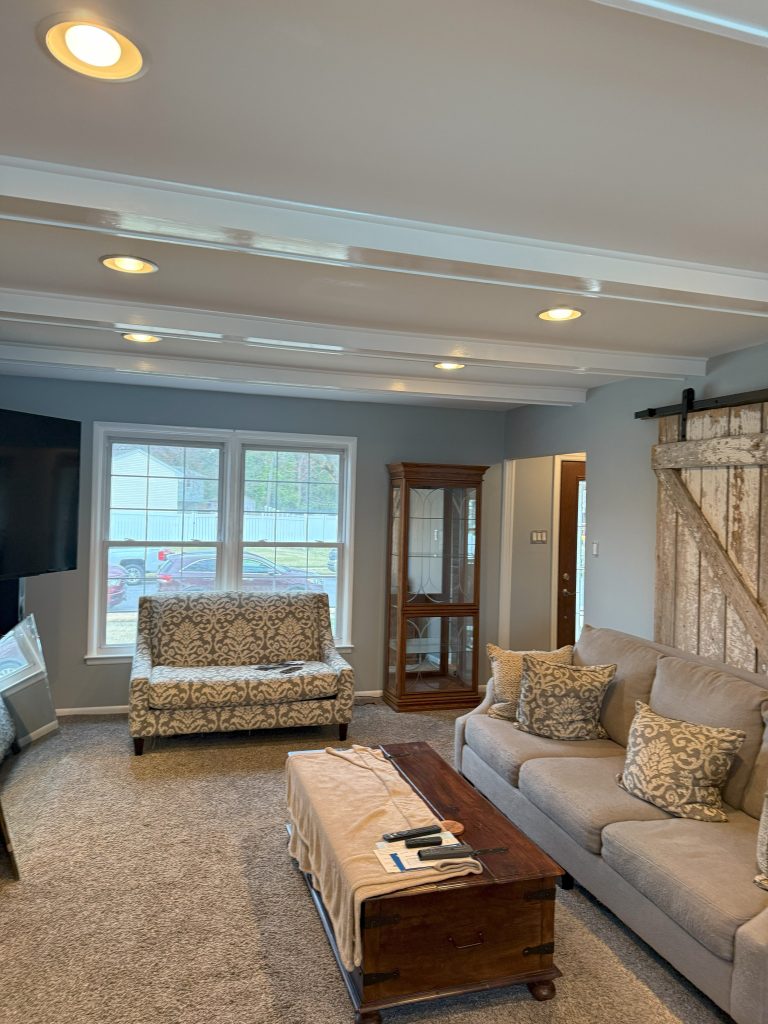
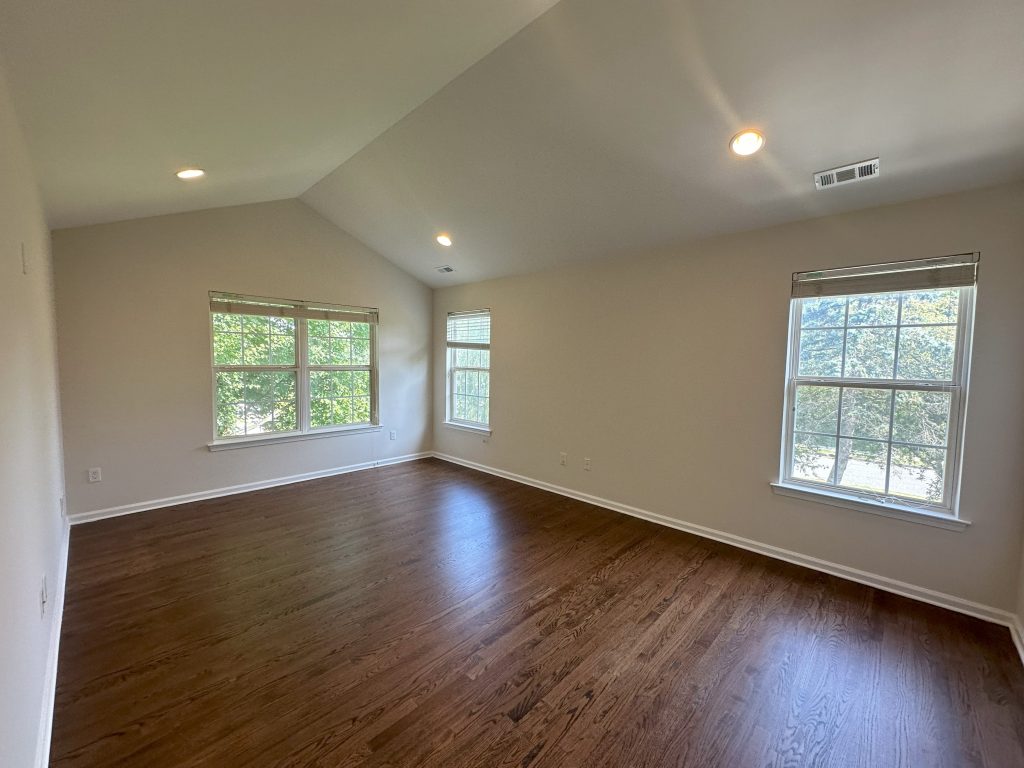
Before talking about brushes, rollers, and sprayers, it helps to define what “modern aesthetics” actually means inside a home. Many people imagine minimalism, all-white walls, and chrome accents, but modern interiors in Evesham, NJ are usually much warmer and more livable than that. Think of clean lines, simplified color palettes, and spaces that feel open and airy, even if the rooms themselves are not huge. Modern paint schemes often rely on a foundation of well-chosen neutrals, with strategically placed color to highlight architecture, create depth, and separate zones in an open floor plan.

One hallmark of a modern look is visual consistency from room to room. That does not mean every wall must be the same color, but it does mean that transitions feel intentional. For example, a soft greige might flow through main living areas, with a slightly deeper tone of the same color family in a dining room or office. This creates a sense of harmony that feels contemporary and calm. Bucci Paint frequently helps Evesham homeowners build a “core palette” of three to five colors that work together throughout the house, rather than treating each room as a separate design island.

Light also plays a huge role in defining a modern aesthetic. South Jersey’s changing seasons bring very different light qualities into your home—cooler, bluer light in winter and warmer, more intense light in summer. Modern painting strategies take this into account, selecting hues that will not turn too cold or too muddy as the sun shifts. Techniques such as testing large color swatches on multiple walls and viewing them at different times of day are essential steps, not afterthoughts. A modern look is as much about how the paint behaves in real life as it is about how it appears on a color card.

Color Palettes For Today’s Homes

Modern color does not mean everything has to be gray. In fact, many New Jersey homes are moving toward warmer neutrals—think soft taupes, beiges with a hint of gray, and warm off-whites that feel fresh but not sterile. These colors create a versatile backdrop for both contemporary and transitional furnishings. Bucci Paint often recommends starting with a primary wall color that works in multiple types of rooms, then building subtle variations for spaces like bedrooms, hallways, and home offices. This layered approach keeps the home from feeling flat while maintaining a cohesive look.

Accent colors in modern interiors tend to be more muted and sophisticated than the bold feature walls that were popular a decade ago. Deep charcoals, inky blues, and rich olive greens are frequently used to ground a room or draw attention to a specific architectural element, such as a fireplace wall, built-in shelving, or a niche. Rather than screaming for attention, these accents create depth and a sense of structure. In Evesham’s many colonial and split-level homes, this strategy can modernize traditional layouts without fighting the existing architecture.

Another important modern technique is working with undertones. Two neutral colors may look similar in isolation but clash when placed side by side because one leans pink and the other leans green. Professional painters understand how to read undertones and pair colors that feel harmonious. This is especially important in open-concept areas where the kitchen, dining, and living spaces are visually connected. By ensuring that wall colors, trim, and even ceiling hues share compatible undertones, Bucci Paint helps create a seamless, modern flow that feels deliberate instead of accidental.

Using Sheen And Finish Strategically

Sheen level is one of the most overlooked tools for achieving a modern interior. Matte and eggshell finishes are often the go-to choices for walls because they minimize surface imperfections and create a soft, sophisticated look. In modern design, overly shiny walls can feel dated or commercial. A high-quality matte or low-sheen finish, properly applied, gives walls a refined, almost velvety appearance that works especially well in living rooms, bedrooms, and hallways. The key is meticulous surface preparation, since flatter paints can still reveal major flaws if the substrate is not smooth.

Trim, doors, and built-ins are where higher sheens come into play. Semi-gloss and satin finishes are traditionally used on woodwork, but in a modern scheme, the goal is often a crisp, clean contrast rather than a glaring shine. Many Evesham homeowners are opting for satin trim instead of high-gloss, which still provides durability and wipeability but feels more understated. This subtle difference in sheen between walls and trim helps define architectural lines without overpowering the room. It is a small choice that can dramatically influence the overall vibe.

Ceilings are another opportunity to add modern sophistication. While flat white is still common, slightly tinted ceiling paints—using a lighter version of the wall color—can lower visual contrast and make a room feel more cohesive and calm. In spaces with lower ceilings typical of older South Jersey homes, this technique can create the illusion of a more expansive volume. Bucci Paint often recommends this approach for bedrooms and living rooms where a relaxed, enveloping atmosphere is desired. The combination of thoughtful sheen selection and precise cutting-in at ceiling lines is a subtle but powerful way to modernize a space.

Feature Walls, Zones, And Visual Flow

Feature walls have evolved significantly from the days of a single bright red wall in an otherwise neutral room. In a modern context, accent walls are used to define zones, emphasize architecture, and guide the eye through a space. For example, in an open-plan Evesham home, the wall behind the sofa might be painted a deeper tone to visually anchor the living area, while the adjacent dining space remains lighter. This helps separate functions without erecting physical barriers. The effect is especially effective in homes where the front door opens directly into a living space; the right paint strategy can create a sense of entry without adding walls.

Color blocking is another technique gaining traction in modern interiors. Instead of painting an entire wall one color, large geometric sections or horizontal bands can be used to define headboard areas, reading nooks, or work zones in a home office. These painted “frames” function almost like built-in artwork and can be coordinated with furnishings and textiles. When executed cleanly with sharp lines and high-quality paint, color blocking feels architectural rather than decorative. Bucci Paint’s attention to layout and precision taping is crucial here; sloppy lines or uneven coverage can quickly undermine the effect.

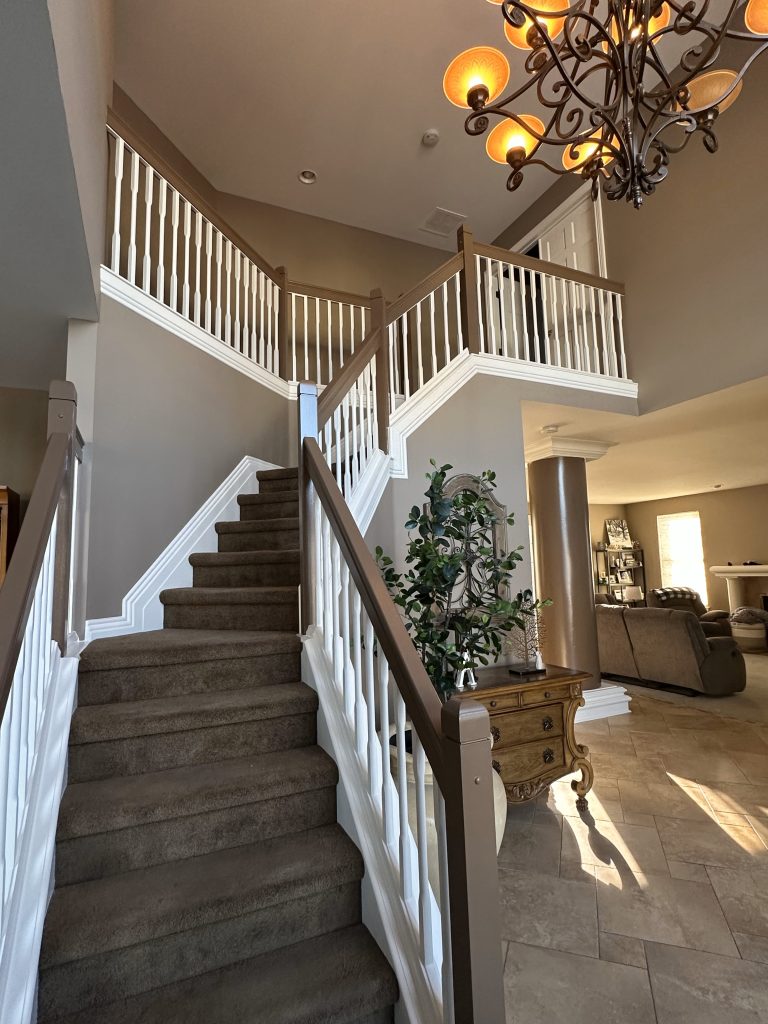
In long hallways or stairwells common in many Evesham, NJ houses, paint can organize vertical and horizontal movement. A slightly darker color on the lower half of a stairwell wall, for instance, can ground the space and make it feel more intimate, while a lighter upper section keeps it from feeling cramped. Transitions between floors can be marked with subtle shifts in tone rather than abrupt color changes, maintaining visual flow while still giving each level its own character. These strategies turn circulation areas into design moments rather than afterthoughts.

Surface Preparation And Flawless Application

Modern aesthetics demand clean lines and smooth surfaces. That means surface preparation is not just a technical requirement; it is a design element. Dings, nail pops, heavy texture, and uneven patchwork all become more noticeable when you choose simple, elegant color schemes. Bucci Paint spends considerable time on prep work in Evesham homes—filling, sanding, caulking, and priming—to ensure that the final finish looks intentional rather than DIY. In many cases, this step takes longer than the actual painting, but it is what separates a truly modern look from a quick color change.

Application technique also influences the final appearance. For most interiors, a combination of rolling and brushing is used, but the choice of roller nap, brush quality, and even the direction of rolling can affect the finish. Shorter nap rollers leave a smoother surface that suits modern aesthetics, while cheap tools can create too much stipple or visible brush marks. On larger, uninterrupted walls, some professionals may use sprayers for an ultra-even finish, followed by back-rolling to ensure proper adhesion and texture. This kind of methodical approach is especially valuable in newer construction or renovated spaces where walls are prominent and uncluttered.

Details like crisp cut lines at ceilings, baseboards, and around window casings are another hallmark of professional modern painting. Uneven edges immediately draw the eye and disrupt the clean, streamlined feel that modern design aims for. Bucci Paint’s crews in Evesham, NJ focus on these small details, often using high-quality tapes, steady-hand techniques, and multiple coats where needed to get perfect edges. When combined with proper drying times between coats and attention to environmental conditions such as humidity, the result is a finish that not only looks good on day one but continues to perform well over time.

Integrating Paint With Trim And Carpentry

Modern interior painting does not exist in isolation; it works hand in hand with trim profiles, doors, and other carpentry details. Updating simple elements like baseboards, crown molding, or door casings, then pairing them with the right paint colors and sheens, can dramatically change the feel of a room. For example, pairing a clean-lined, slightly taller baseboard in a satin white with soft, matte walls in a warm neutral immediately modernizes a space that once felt builder-basic. This is where coordination between painting and carpentry becomes essential for a cohesive result.

In some Evesham homes, homeowners choose to add wall details such as board-and-batten, shiplap, or minimalist paneling to create interest without overloading the space. When these elements are painted in a single color from wall to trim, they create subtle shadow lines and depth rather than bold, high-contrast patterns. This monochromatic treatment is very much in line with modern aesthetics, where texture and form often replace busy color schemes. To support these projects, Bucci Paint can coordinate finish work with related services such as Carpentry Services, ensuring that woodwork and paint align perfectly.

Doors and built-ins are another area where painting techniques can modernize a home. Interior doors painted in a slightly deeper neutral or even a dramatic charcoal can become design elements instead of fading into the background. Built-in shelving units painted the same color as the walls can feel architectural and serene, while contrasting colors can turn them into focal points. In either case, the key is a high-quality finish—smooth, durable, and free of brush marks—so that the cabinetry looks custom and intentional. When paint and carpentry work together seamlessly, the entire interior feels more curated and up to date.

Frequently Asked Questions

How do I choose a modern paint color that will not look dated in a few years? The best approach is to start with timeless, versatile neutrals and introduce personality through accents and decor rather than extreme wall colors. Look for hues with balanced undertones—neither too cool nor too warm—that work with your existing floors, countertops, and furniture. Bucci Paint often helps Evesham homeowners test a few candidate colors on multiple walls, observing them in morning, afternoon, and evening light before making a final decision. This process reduces the risk of chasing short-lived trends and results in a palette that feels current but not faddish.

Is an accent wall still considered modern, or is that trend over? Accent walls are still very much in use, but the way they are executed has changed. Instead of bright, high-contrast colors, modern accent walls often use deeper, more muted tones that add depth without dominating the space. They are typically aligned with architectural features—like a fireplace, TV wall, or headboard—rather than chosen at random. In Evesham homes, Bucci Paint frequently designs accent walls to help define zones in open-concept layouts or to highlight a particularly attractive element, such as a bank of windows or custom built-ins.

What paint finish is best for a modern look in busy family spaces? For living rooms, hallways, and kids’ spaces, a high-quality eggshell or matte with washable technology is often ideal. These finishes provide a soft, modern appearance while still allowing for easy cleaning of scuffs and fingerprints. Trim and doors usually work best in satin, which offers durability and subtle sheen without feeling overly shiny. Kitchens and bathrooms may benefit from a slightly higher sheen on the walls for added moisture resistance, but many modern paints are formulated to perform well in these spaces even in lower sheens when properly applied.

Can modern painting techniques work in older Evesham, NJ homes with traditional details? Absolutely. In fact, painting is one of the most effective ways to bridge traditional architecture with modern living. By simplifying the color palette, unifying trim colors, and using thoughtful sheen choices, older homes can feel fresh and contemporary without losing their character. Techniques like painting dated wood trim and doors, smoothing out heavy textures, and using subtle accent walls can dramatically update the look. Bucci Paint regularly works in older South Jersey homes, balancing respect for original details with modern aesthetic goals.

Why hire a professional painter instead of doing it myself for a modern look? Modern aesthetics rely heavily on clean lines, smooth surfaces, and cohesive color flow—areas where professional skill and experience make a noticeable difference. DIY efforts often struggle with visible roller marks, uneven coverage, messy cut lines, or poorly chosen sheens, all of which undermine a modern design. A professional like Bucci Paint brings not only technical expertise but also design guidance specific to Evesham, NJ homes, helping you select the right products, colors, and techniques for your space. The result is a finish that looks intentional, performs well over time, and truly supports the modern interior you are trying to create.

Leave a Comment

Your email address will not be published. Required fields are marked *