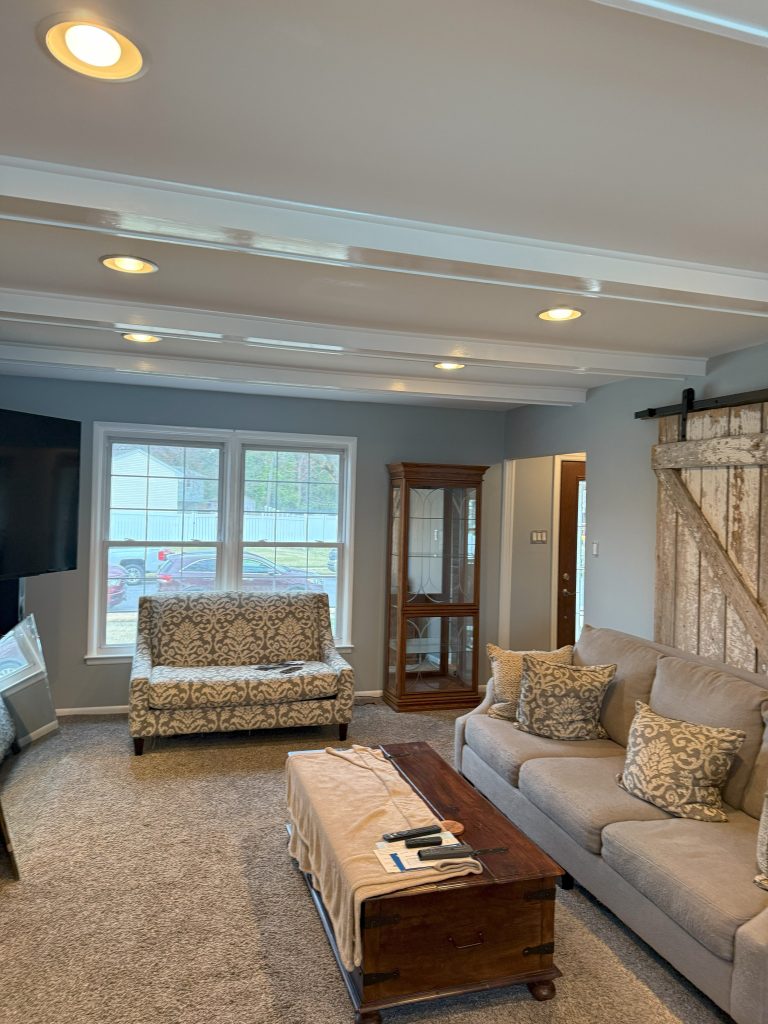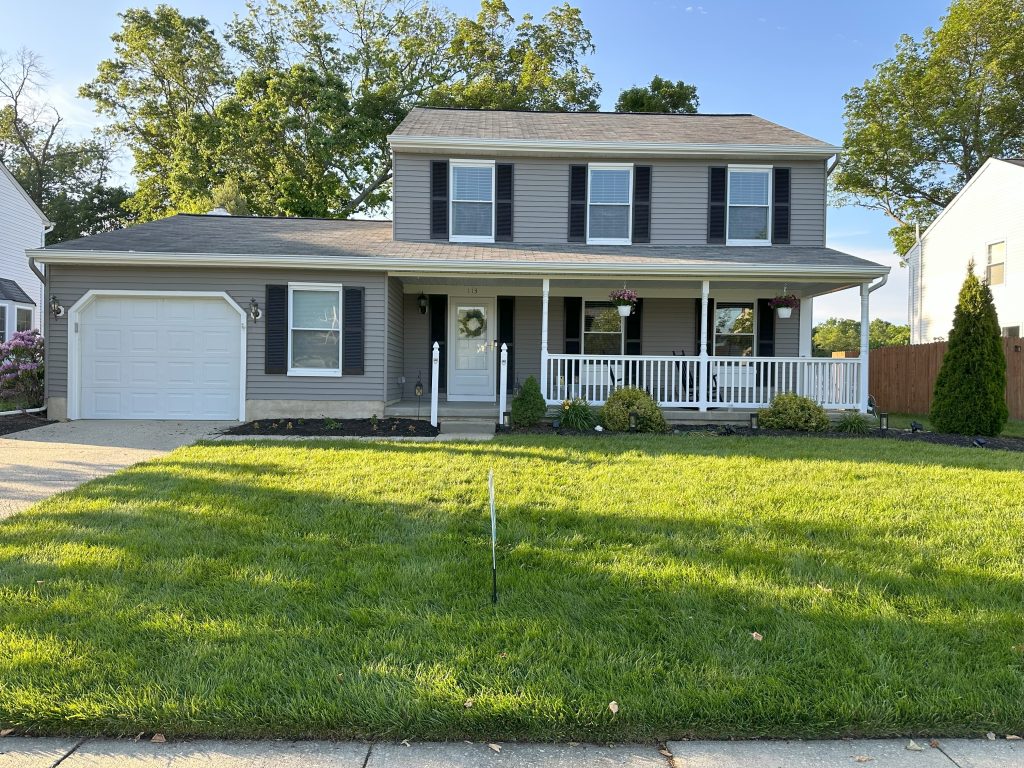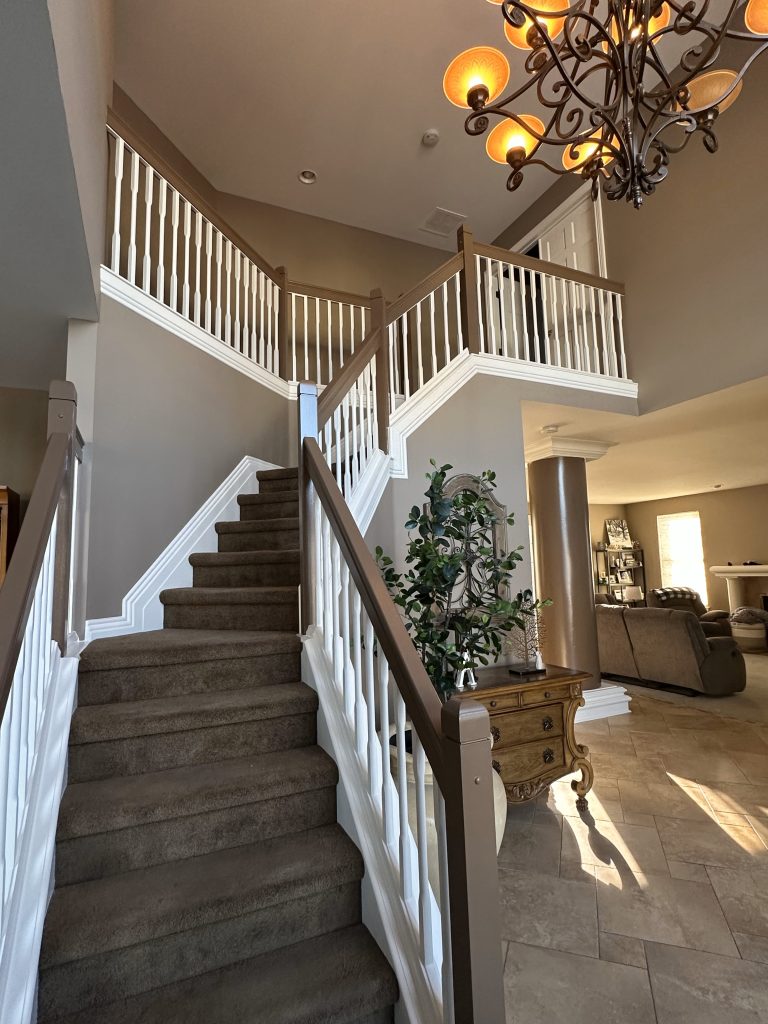
The first stroke of paint on a wall is rarely where the story begins. For many homeowners in Evesham, NJ, interior painting starts with frustration: rooms that feel dark and dated, walls marked by years of scuffs and nail holes, or mismatched colors from previous owners. You might stand in the middle of your living room, paint chips in hand, wondering how a few gallons of paint can possibly transform the entire space. The gap between what you imagine and what actually happens during an interior painting project can feel huge when you don’t fully understand the process.
That uncertainty often leads to hesitation. People delay repainting for years because they fear the disruption, worry about choosing the wrong colors, or simply don’t know what to expect from a professional painting company. Yet, when the process is clear and well-managed, interior painting becomes one of the most efficient and cost-effective ways to refresh a home. At Bucci Paint, serving Evesham, NJ and surrounding communities, the difference lies in a well-defined, step-by-step approach that turns an overwhelming idea into a structured, predictable experience.
Understanding the process of interior painting does more than ease anxiety; it empowers you to make better decisions, communicate clearly with your painter, and protect your investment. When you know what happens before, during, and after the paint goes on the wall, you can spot shortcuts, recognize quality workmanship, and plan your schedule around the project. The following breakdown walks you through how a professional team like Bucci Paint approaches interior painting in real New Jersey homes—from first conversation to final walkthrough.
Planning The Project
Every successful interior painting job begins long before any surface gets touched with a brush. The planning phase is where you define the scope: which rooms will be painted, what surfaces are included (walls, ceilings, trim, doors), and whether any repairs or special finishes are needed. In Evesham, NJ, many homes combine older construction with newer additions, so each room can have different needs. A good contractor will walk through your home, ask questions about how you use each space, and take detailed notes and measurements before offering a proposal.
Budget and expectations are also set during this stage. A clear estimate should outline labor, materials, the number of coats, surface preparation, and any extras like accent walls or specialty finishes. When you understand the process, you’ll know to look for these details rather than a vague lump-sum number. This transparency helps avoid surprise charges and ensures you and the painting company are aligned on what “finished” really means. It also lets you prioritize rooms if you need to phase the project over time.
Color selection is another major part of planning. Many homeowners underestimate how much lighting, flooring, and existing furnishings affect how a color looks once it’s on the wall. A professional team like Bucci Paint will often recommend testing sample colors on the actual walls and viewing them at different times of day before making a final decision. In Evesham’s varied seasons, natural light changes dramatically between summer and winter, so a color that looks crisp in July might feel cooler in January. Understanding this helps you choose shades that feel right year-round.
Finally, the planning phase addresses logistics. You’ll discuss start dates, daily work hours, how furniture will be moved and protected, and whether you can remain in the home during painting. Clear communication at this stage minimizes disruption to your routine, especially important for families with children, pets, or home offices. When you see how much goes into planning, it becomes clear that quality interior painting is a coordinated project, not just a quick weekend chore.
Preparation And Protection
Preparation is where professional interior painting truly separates itself from DIY attempts. Before opening a can of paint, a crew will start by protecting everything that should not be painted. Floors are covered with drop cloths or protective paper, furniture is moved away from walls and draped, and fixtures, outlets, and switches are either removed or carefully taped. In homes around Evesham, where hardwood floors and custom trim are common, this step is crucial to prevent accidental splatters and scratches.
Wall preparation comes next, and it’s often more extensive than homeowners expect. Minor imperfections such as nail holes, dents, small cracks, and uneven patches are filled with spackle or joint compound, sanded smooth, and sometimes spot-primed. In older New Jersey homes, settling can create visible cracks at corners or along ceiling lines; addressing these properly prevents them from telegraphing through the new paint. Glossy surfaces may be scuff-sanded to help the new paint adhere, and any peeling or flaking paint must be scraped and stabilized.
Cleaning is another key part of preparation. Dust, cooking residues, and everyday grime can interfere with adhesion and cause paint to peel or look uneven. Walls may be wiped down or washed, especially in kitchens, bathrooms, and high-traffic hallways. In certain cases, stains from water damage or nicotine require specialized stain-blocking primers to prevent them from bleeding through. A company like Bucci Paint understands the local climate and common issues in Evesham homes, so they can identify when extra primers or products are necessary for a lasting result.
The final piece of preparation is priming. Not every surface needs a full primer coat, but many do. New drywall, patched areas, drastic color changes (for example, covering a dark red with a light gray), and stained surfaces benefit greatly from a dedicated primer. Priming evens out porosity, improves coverage, and helps achieve a consistent finish. When you understand the purpose of each prep step, it becomes clear why rushing through or skipping them can lead to disappointing results, no matter how good the paint itself may be.
Choosing The Right Products
The paint you see on a store shelf is only one part of a larger system. Different rooms in your home have different demands: bathrooms and laundry rooms face moisture, kitchens deal with grease and frequent cleaning, and children’s rooms often need extra durability. A professional painting process includes selecting the right type of paint—sheen, base, and quality level—for each specific area. In a typical Evesham home, you might find washable eggshell on living room walls, satin in bathrooms, and semi-gloss on trim and doors.
Sheen selection affects both appearance and maintenance. Flatter finishes hide imperfections better but are less washable; higher sheens reflect more light and are easier to clean but can highlight flaws in the surface. A seasoned painter will balance these trade-offs based on the condition of your walls and how the space is used. For example, a heavily trafficked hallway with kids and pets might benefit from a slightly higher sheen for easier cleaning, even if it shows a bit more texture.
Quality level is another often overlooked factor. Premium paints can cost more per gallon, but they typically offer better coverage, richer color, and longer-lasting results. This can mean fewer coats, less labor, and a finish that looks fresh longer, especially in busy households. In the long run, investing in higher-quality paint can be more economical than using a bargain product that needs frequent touch-ups or complete repainting. Bucci Paint’s familiarity with various brands and products helps homeowners in Evesham choose paints that perform well in local conditions.
Specialty products sometimes enter the picture as well. Stain-blocking primers, moisture-resistant paints, and low-VOC or zero-VOC formulations all have their place in a thoughtful interior painting process. For families concerned about indoor air quality or sensitive to odors, discussing low-VOC options is important. Understanding how these products fit into the broader process allows you to ask informed questions and avoid unnecessary upsells or unsuitable choices.
The Actual Painting Process
Once planning and preparation are complete, the visible transformation begins. Professional painters follow a logical sequence to ensure efficiency and a clean, consistent result. Typically, ceilings are painted first, then walls, and finally trim and doors. This top-down approach minimizes the chance of dripping paint onto freshly finished surfaces. In multi-room projects around Evesham, crews may work in stages, completing sections at a time to keep your home as functional as possible.
Cutting in is one of the most skilled parts of the process. This involves using a brush to create clean lines along ceilings, corners, and around trim before filling in the larger areas with rollers. A steady hand and experience are critical here; it’s where the difference between a crisp, professional look and a wavy DIY edge really shows. After cutting in, rollers are used to apply paint in consistent, overlapping strokes, maintaining a wet edge to avoid visible lap marks. Each coat is allowed to dry for the appropriate time before assessing coverage and deciding whether another coat is needed.
Most interior projects involve at least two coats of paint on walls for full, even coverage, especially when changing colors. Between coats, painters may lightly sand or touch up any small imperfections that become more visible once the first coat dries. This attention to detail is what gives the final finish its smooth, uniform appearance. Trim and doors often receive their own specialized products and techniques, such as enamel paints and fine-finish brushes or rollers, to achieve a durable, refined look.
Cleanliness during the painting phase is also part of a professional process. Tools are organized, pathways are kept clear, and daily cleanup is performed so your home doesn’t feel like a construction site. A company like Bucci Paint understands that they’re working in your living space, not on an empty jobsite, which shapes how they manage materials, protect your belongings, and communicate about which areas will be accessible each day.
Finishing Touches And Walkthrough
The final stage of interior painting is where everything comes together. After the last coat has dried, painters remove tape, drop cloths, and protective coverings. This is when sharp lines between colors, freshly painted trim, and newly brightened ceilings reveal the full transformation. Any minor paint drips, smudges, or missed spots are addressed during a systematic inspection, often with both natural and artificial lighting to catch issues that might otherwise be overlooked.
Hardware and fixtures that were removed during preparation—such as outlet covers, switch plates, and vent covers—are reinstalled. Furniture is carefully moved back into place, and floors are swept or vacuumed. A conscientious crew will also ensure that windows and doors operate smoothly and that no paint has sealed hinges or latches. This attention to detail helps your home feel not just newly painted, but truly put back together and ready to live in.
A formal walkthrough with the homeowner is an essential part of a professional process. During this walkthrough, you have the opportunity to inspect each room, ask questions, and point out any areas you’d like the painter to review. At Bucci Paint, this step is treated as a collaborative final check, ensuring that the finished result aligns with the expectations set at the beginning of the project. When you understand that this walkthrough is part of the process, you’re better prepared to participate and speak up about anything that concerns you.
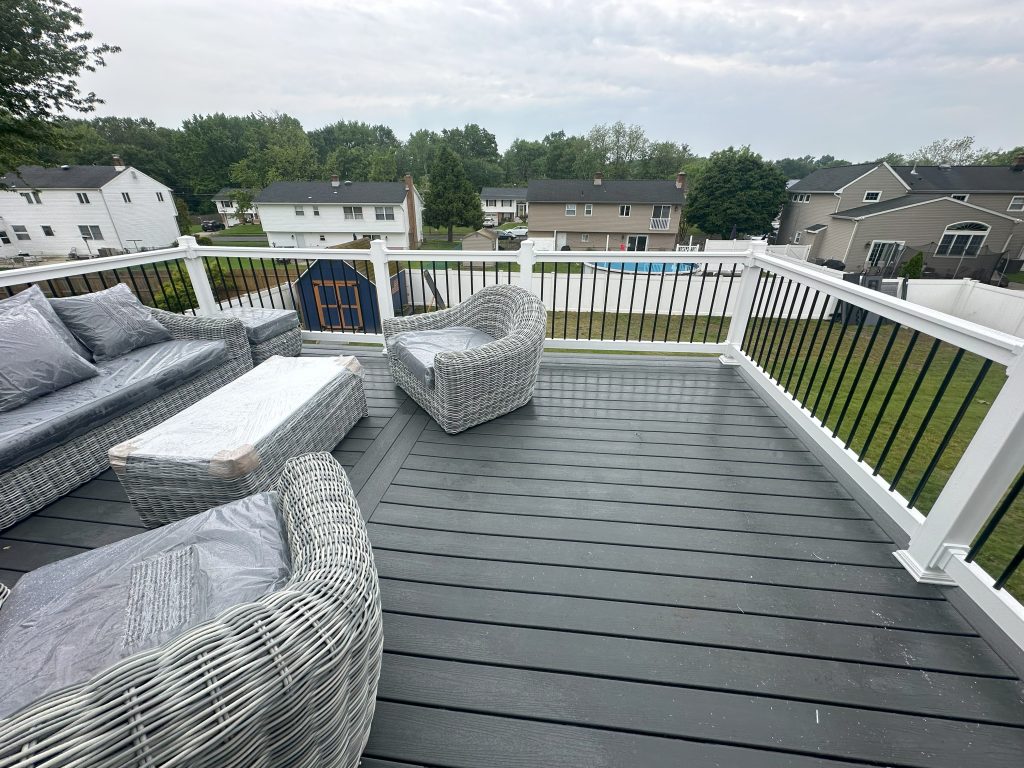
Finally, a good painting company will provide guidance on care and maintenance. They may explain how long to wait before washing the walls, what cleaning products are safe, and how to handle minor touch-ups if needed. You might also discuss future projects, such as exterior painting or related services like Deck Painting, to develop a long-term plan for your property. For homeowners in Evesham, NJ, having an ongoing relationship with a trusted painter means each subsequent project becomes smoother, faster, and more tailored to your preferences.
Why Process Matters In Evesham
Homes in Evesham, NJ range from older properties with character details to newer developments with modern layouts. This variety means there is no one-size-fits-all approach to interior painting. Understanding the process allows your painter to adapt to your specific home: addressing plaster cracks in an older colonial, dealing with builder-grade paint in a newer townhouse, or coordinating colors across an open-concept main floor. A structured process acts as a framework that can be customized to each situation.
Local climate also plays a role. New Jersey’s humidity levels, temperature swings, and seasonal changes affect drying times, product choices, and even how colors appear at different times of year. A company rooted in the area, like Bucci Paint, brings practical experience with these conditions to every project. They know when to adjust scheduling, ventilation, and product selection to achieve the best results in real-world Evesham homes, not just in controlled lab tests.
Community expectations matter as well. Many Evesham homeowners take pride in their properties and neighborhoods, which raises the bar for craftsmanship and reliability. A clear, consistent painting process is part of meeting that standard. It ensures that projects start on time, progress predictably, and finish with a level of quality that supports home values and personal satisfaction. When you, as a homeowner, understand this process, you become an informed partner rather than a passive observer.
Ultimately, interior painting is about more than color; it’s about how your home feels and functions. A well-executed process turns blank or tired walls into spaces that support your daily life—whether that’s a calm bedroom retreat, a bright home office, or a welcoming family room. In Evesham, NJ, where many residents plan to stay in their homes for years, investing in a thoughtful, professional interior painting process with a company like Bucci Paint can pay off every single day you live in the space.
Frequently Asked Questions
How long does an interior painting project usually take? The timeline depends on the size of your home, the number of rooms, and the amount of preparation required. A single, average-sized room in an Evesham home might be completed in one to two days, including prep and multiple coats. Larger projects involving several rooms or the entire interior can take a week or more. Factors like extensive wall repairs, detailed trim work, and drying times between coats all influence the schedule. A professional company will provide a projected timeline during the planning stage and update you if anything changes.
Do I need to move all my furniture before painters arrive? You don’t usually need to empty your home, but some preparation on your part is helpful. Most painting crews, including Bucci Paint, will move larger pieces away from walls and cover them as part of their process. However, you may be asked to remove smaller items, fragile objects, wall decor, and personal belongings to prevent damage and speed up the setup. During the planning phase, your painter should explain exactly what they will handle and what they recommend you do beforehand.
Will I need to leave my home during interior painting? In many cases, you can stay in your home while interior painting is underway, especially if the project is being done in stages. Crews can work room by room, allowing you access to essential spaces like bedrooms, bathrooms, and the kitchen. Modern low-VOC and zero-VOC paints also reduce odors and fumes, making it more comfortable to remain in the house. That said, if large portions of your home are being painted at once or if you’re sensitive to smells, you might choose to be out during working hours and return in the evenings.
How do I know if my walls need primer? Primer is needed in several situations: when painting new drywall, covering dark or bright colors with a lighter shade, dealing with stains or water damage, or painting over glossy surfaces. Your painter should assess each room and explain where primer is necessary and why. In some cases, spot-priming repaired areas is sufficient; in others, a full coat of primer is recommended for even color and proper adhesion. Understanding this part of the process helps you evaluate whether your project is being handled thoroughly.
What should I look for in a professional painting company? Beyond licenses and insurance, pay attention to how clearly a company explains its process. Do they discuss preparation, product selection, scheduling, and cleanup in detail? Are they willing to answer questions about primers, number of coats, and how they protect your home? Local experience in Evesham, NJ is also valuable, as it indicates familiarity with common home styles and regional conditions. References, photos of past projects, and a written proposal with clear scope and pricing all signal a company that takes both quality and communication seriously.